Author name: explorehimalayan3@gmail.com

blogs

Pokhara: Nepal’s Paradise of Mountains, Lakes, and Adventure

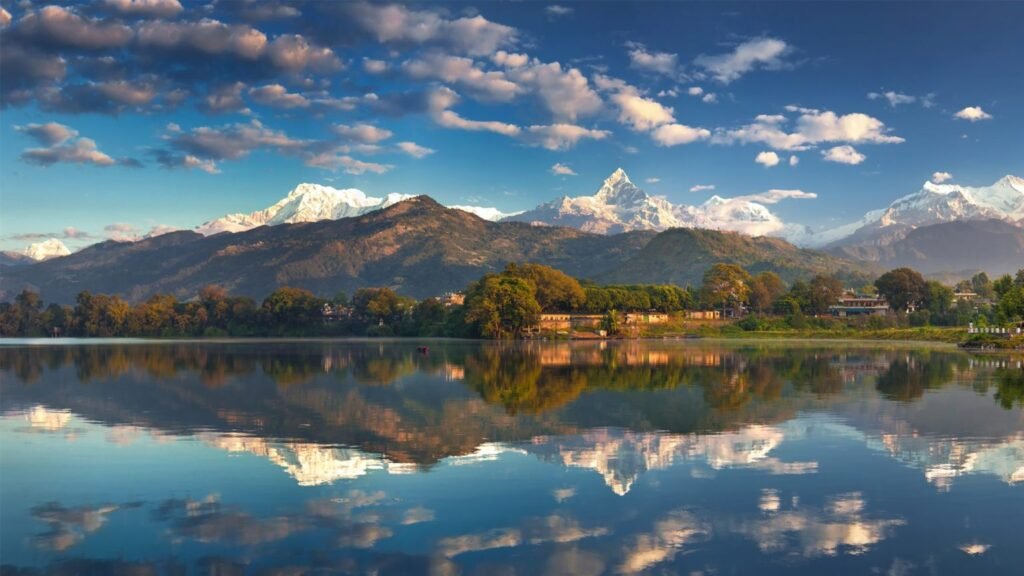
Introduction Nestled in the heart of Nepal, Pokhara is a destination that effortlessly combines natural beauty, cultural richness, and thrilling adventure. Surrounded by the majestic Annapurna mountain range and blessed with serene lakes, cascading waterfalls, mysterious caves, and vibrant local communities, Pokhara has earned its reputation as one of South Asia’s most captivating travel destinations. Whether you are a nature lover, an adventure seeker, a photographer, or simply someone looking for peace and relaxation, Pokhara offers an unforgettable experience. From witnessing breathtaking Himalayan sunrises to paragliding above sparkling lakes, every moment in Pokhara feels like a scene from a postcard. Where is Pokhara? Pokhara is located in central Nepal, approximately 200 kilometers west of Kathmandu. It serves as the gateway to the Annapurna region, one of the world’s most famous trekking destinations. The city sits at an elevation of around 822 meters above sea level and is the capital of Gandaki Province. Thanks to its strategic location and excellent tourism infrastructure, Pokhara attracts hundreds of thousands of domestic and international visitors every year. The Natural Beauty of Pokhara Phewa Lake: The Soul of the City Phewa Lake is undoubtedly the crown jewel of Pokhara. The tranquil waters reflect the surrounding hills and snow-capped mountains, creating a mesmerizing landscape that attracts visitors from around the globe. Visitors can enjoy: At the center of the lake lies the Tal Barahi Temple, a sacred Hindu temple situated on a small island. Reaching the temple by boat adds a unique spiritual and cultural experience to any visit. The Magnificent Annapurna Range One of Pokhara’s greatest attractions is its spectacular mountain views. On clear days, visitors can witness panoramic vistas of: The sight of these towering peaks rising above the landscape creates one of the most dramatic mountain panoramas in the world. Sarangkot: The Best Sunrise Viewpoint Sarangkot is a hilltop destination located just a short drive from Pokhara. It is famous for offering some of the best sunrise views in Nepal. As the first rays of sunlight touch the Himalayan peaks, the mountains glow in shades of gold, orange, and pink. The experience is both breathtaking and unforgettable. Sarangkot is also one of the most popular locations for paragliding adventures. Adventure Capital of Nepal Pokhara is widely regarded as Nepal’s adventure tourism capital. The city provides countless opportunities for adrenaline-filled experiences. Paragliding Pokhara is considered one of the best paragliding destinations in the world. Flying above Phewa Lake while enjoying panoramic views of the Himalayas is a once-in-a-lifetime experience. The combination of stable weather conditions, scenic landscapes, and professional operators makes Pokhara a favorite among paragliding enthusiasts. Trekking and Hiking Pokhara serves as the starting point for many famous trekking routes, including: These trails offer diverse experiences ranging from lush forests and traditional villages to high-altitude mountain landscapes. Ziplining Adventure lovers can enjoy one of the steepest and longest zipline rides in the world. The ride offers incredible views of forests, rivers, valleys, and snow-capped mountains. Bungee Jumping For those seeking an ultimate thrill, Pokhara provides exciting bungee jumping experiences in a safe and professionally managed environment. Mountain Biking The hills surrounding Pokhara feature excellent mountain biking routes that pass through villages, forests, and scenic viewpoints. Exploring Pokhara’s Cultural Heritage While Pokhara is famous for nature and adventure, it also boasts a rich cultural heritage. Peace Pagoda (World Peace Stupa) Situated on a hill overlooking Phewa Lake, the World Peace Stupa is a symbol of harmony and global peace. Visitors can enjoy panoramic views of the lake, city, and surrounding mountains. The peaceful atmosphere makes it a perfect place for meditation, reflection, and photography. Bindhyabasini Temple One of the oldest temples in Pokhara, Bindhyabasini Temple is dedicated to the Hindu goddess Bhagwati. It remains an important spiritual site for local residents and visitors alike. Gurung and Magar Culture The region surrounding Pokhara is home to diverse ethnic communities, particularly the Gurung and Magar people. Visitors can explore traditional villages, experience local hospitality, and learn about centuries-old customs and traditions. Fascinating Natural Attractions Davis Falls Davis Falls is one of Pokhara’s most famous natural attractions. The waterfall disappears into an underground tunnel, creating a unique geological phenomenon. The powerful flow of water during the monsoon season makes the site particularly impressive. Gupteshwor Mahadev Cave Located near Davis Falls, this sacred cave contains a revered Shiva temple and fascinating limestone formations. Visitors can explore underground passages and witness the waterfall from within the cave. Mahendra Cave Known for its natural rock formations and mysterious atmosphere, Mahendra Cave is another popular destination for visitors interested in geology and exploration. Begnas Lake For travelers seeking a quieter alternative to Phewa Lake, Begnas Lake offers tranquility, natural beauty, and fewer crowds. It is an ideal place to relax and enjoy the peaceful surroundings. Food and Culinary Experiences Pokhara’s food scene reflects Nepal’s cultural diversity and growing international tourism. Popular local dishes include: Visitors can also find international cuisines ranging from Italian and Indian to Korean, Japanese, and continental dishes. The Lakeside area is particularly known for its vibrant cafes, restaurants, bakeries, and rooftop dining experiences. Best Time to Visit Pokhara Autumn (September to November) Autumn is considered the best season to visit Pokhara. The skies are clear, mountain views are spectacular, and the weather is pleasant. Spring (March to May) Spring brings colorful rhododendron blooms and comfortable temperatures, making it an excellent time for trekking and sightseeing. Winter (December to February) Winter offers crisp air and excellent mountain visibility, although mornings and evenings can be cool. Monsoon (June to August) The rainy season transforms the region into a lush green paradise. While trekking can be challenging, nature lovers often appreciate the vibrant landscapes. Why Pokhara Should Be on Every Traveler’s Bucket List Few destinations in the world offer such a remarkable combination of mountains, lakes, culture, spirituality, and adventure. Pokhara allows visitors to experience the grandeur of the Himalayas without sacrificing comfort and accessibility. Whether you want to soar through the sky on a paraglider, trek among towering
blogs

Kalinchowk Mountain Escape

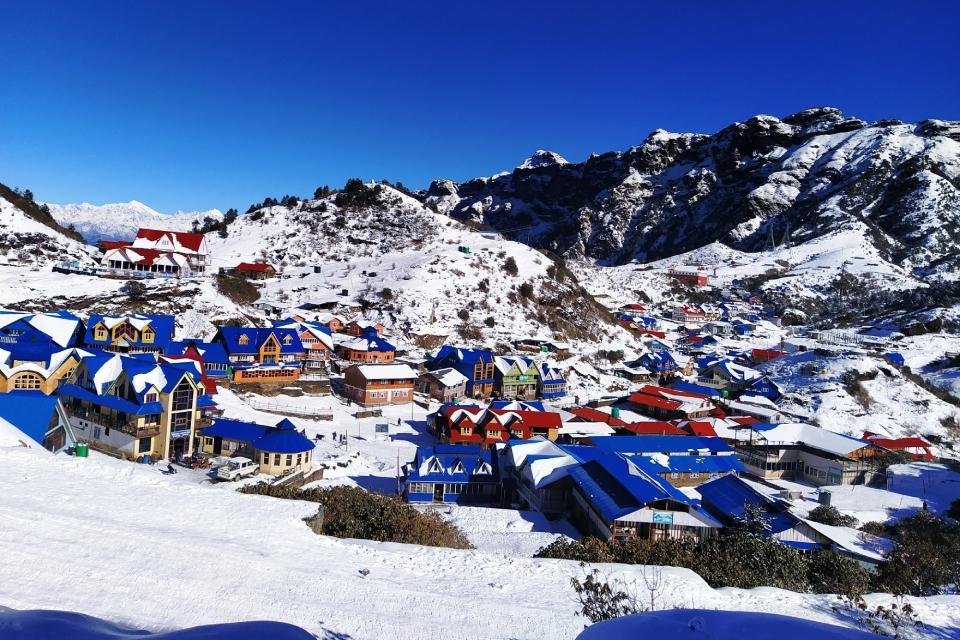
Discover the Beauty of Kalinchowk Nestled in the scenic Dolakha District of Nepal, Kalinchowk is one of the country’s most breathtaking hill destinations. Famous for its sacred Kalinchowk Bhagwati Temple, spectacular Himalayan views, snowfall during winter, and thrilling cable car ride, Kalinchowk has become a favorite destination for pilgrims, nature lovers, photographers, and adventure seekers alike. Located at an altitude of approximately 3,842 meters (12,605 feet) above sea level, Kalinchowk offers visitors a perfect blend of spirituality, natural beauty, and outdoor adventure. Whether you’re planning a weekend getaway from Kathmandu or looking for a memorable mountain experience, Kalinchowk promises an unforgettable journey. Where is Kalinchowk? Kalinchowk lies in the Dolakha District of Bagmati Province, approximately 150 kilometers northeast of Kathmandu. The journey usually takes around 6 to 8 hours by road, depending on traffic and road conditions. The destination is easily accessible throughout most of the year and has become one of Nepal’s most popular domestic travel destinations. Why Visit Kalinchowk? Kalinchowk offers something for every type of traveler. Spiritual Significance The main attraction is the Kalinchowk Bhagwati Temple, one of Nepal’s most revered Hindu temples. Dedicated to Goddess Bhagwati (Kali), the temple attracts thousands of devotees throughout the year, especially during Dashain and other important Hindu festivals. Many visitors believe that prayers offered here bring prosperity, protection, and fulfillment of wishes. Snowfall in Winter One of Kalinchowk’s biggest attractions is its beautiful winter snowfall. From December to February, the entire region transforms into a white paradise, attracting thousands of visitors eager to experience snow without trekking deep into the Himalayas. Visitors enjoy: The magical winter landscape makes Kalinchowk one of Nepal’s top snow destinations. Panoramic Himalayan Views From the temple viewpoint, visitors can enjoy breathtaking sunrise and mountain views. On clear days, you can see: The sunrise over the Himalayas is simply unforgettable, painting the snow-covered peaks in shades of gold and orange. Kalinchowk Cable Car The Kalinchowk Cable Car has made reaching the temple much easier. Instead of hiking uphill for nearly an hour, visitors can enjoy a comfortable cable car ride while taking in panoramic mountain scenery. The ride itself has become one of the highlights of the trip. Benefits include: Things to Do in Kalinchowk Visit Kalinchowk Bhagwati Temple The temple sits on top of the hill and offers both spiritual peace and magnificent mountain scenery. Visitors often light butter lamps, offer flowers, and perform traditional prayers. Ride the Cable Car Enjoy one of Nepal’s highest cable car experiences while witnessing breathtaking mountain landscapes. Experience Snow Activities During winter, visitors can enjoy: Witness Sunrise Wake up early to experience one of Nepal’s finest mountain sunrises. The changing colors across the Himalayan peaks create unforgettable memories. Explore Kuri Village Kuri Village serves as the base for Kalinchowk. This charming mountain village offers: During winter, the village becomes covered in snow, creating a fairy-tale atmosphere. Nature Photography Kalinchowk is a paradise for photographers. Capture: Best Time to Visit Winter (December–February) Ideal for: Spring (March–May) Perfect for: Autumn (September–November) Best for: Monsoon (June–August) The hills turn lush green, but rainfall may make travel slower and reduce mountain visibility. Sample 2-Day Itinerary Day 1 Day 2 Food and Accommodation Kuri Village offers a range of accommodations, from budget guesthouses to comfortable hotels. Visitors can enjoy local dishes such as: Many hotels provide heated dining areas during winter for added comfort. Travel Tips Why Kalinchowk Should Be on Your Travel List Kalinchowk is more than just a mountain destination—it is a place where spirituality, adventure, and natural beauty come together. Whether you seek the blessings of Goddess Bhagwati, the excitement of playing in the snow, the thrill of a cable car ride, or simply a peaceful escape surrounded by Himalayan landscapes, Kalinchowk offers an experience that appeals to travelers of all ages. Its close proximity to Kathmandu makes it an ideal weekend getaway, while its breathtaking scenery ensures that every season has something unique to offer. From winter’s snow-covered slopes to spring’s colorful rhododendron blooms and autumn’s crystal-clear mountain views, Kalinchowk is a destination worth visiting year-round. Plan your trip to Kalinchowk and discover why it has become one of Nepal’s most beloved hill stations—where every journey brings stunning landscapes, cultural richness, and unforgettable memories.

blogs

Makalu Base Camp Trek: Nepal’s Ultimate Adventure to the Foot of the World’s Fifth Highest Mountain

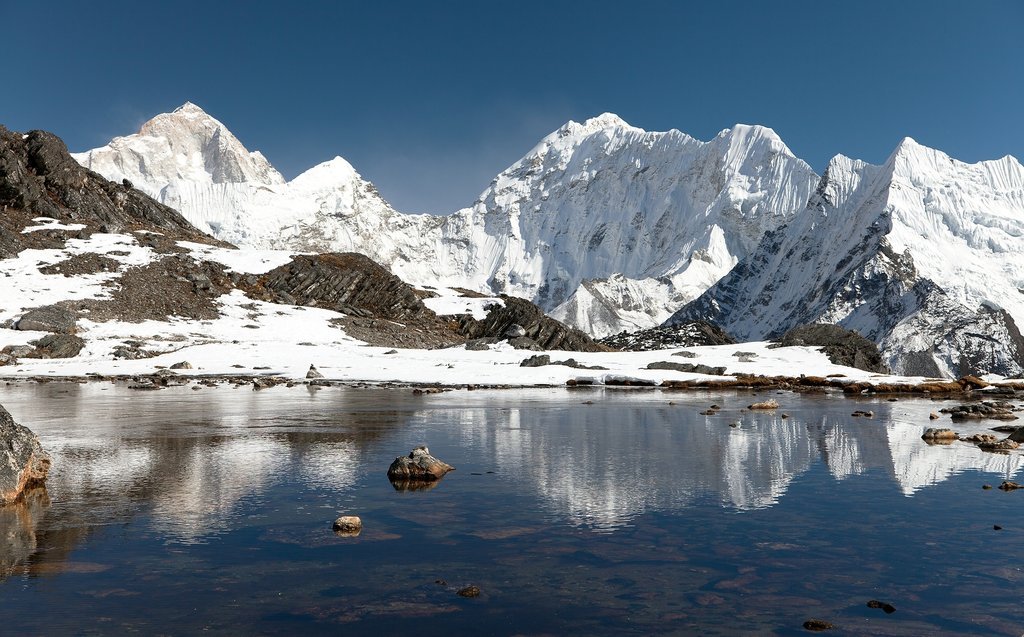
Discover One of Nepal’s Most Remote and Rewarding Himalayan Treks If you’re searching for an authentic Himalayan adventure far from crowded trekking routes, the Makalu Base Camp Trek should be at the top of your bucket list. Nestled in eastern Nepal, this remarkable journey takes trekkers through pristine forests, traditional mountain villages, alpine meadows, and dramatic glaciers before arriving at the base of Mount Makalu (8,485 meters)—the world’s fifth-highest mountain. Unlike the Everest Base Camp or Annapurna Circuit, Makalu Base Camp remains one of Nepal’s least-visited trekking destinations. Its untouched wilderness, rich biodiversity, and breathtaking Himalayan panoramas make it an unforgettable experience for trekkers seeking solitude and raw natural beauty. Whether you’re an experienced hiker or an adventure traveler looking for your next challenge, the Makalu Base Camp Trek offers an extraordinary combination of wilderness, culture, and high-altitude adventure. Where Is Makalu Base Camp? Makalu Base Camp lies within the Makalu Barun National Park in eastern Nepal, close to the border with Tibet (China). The national park covers over 1,500 square kilometers and is one of Nepal’s richest ecological regions. The trek begins with a scenic flight from Kathmandu to Tumlingtar, followed by a drive to Num, where the walking adventure officially starts. Throughout the journey, trekkers pass through dramatic landscapes ranging from subtropical forests at lower elevations to barren alpine valleys surrounded by towering Himalayan peaks. Why Choose the Makalu Base Camp Trek? Many trekkers dream of Everest Base Camp, but those seeking a quieter and more adventurous alternative often fall in love with Makalu. Here are several reasons why this trek stands out: The sense of isolation makes every step feel like a true expedition rather than a popular tourist hike. Highlights of the Makalu Base Camp Trek Stunning Views of Mount Makalu The main attraction is, of course, the magnificent Mount Makalu itself. Standing at 8,485 meters, this pyramid-shaped mountain dominates the skyline throughout the upper valley. As you approach base camp, the massive glaciers and steep rock faces create one of the most dramatic mountain landscapes in Nepal. Spectacular Himalayan Panorama Besides Makalu, trekkers enjoy breathtaking views of: Few trekking routes offer such an impressive collection of Himalayan giants. Makalu Barun National Park Nature lovers will appreciate the incredible biodiversity throughout the park. The protected area includes: The elevation ranges from less than 500 meters to over 8,000 meters, creating one of the world’s most diverse ecological zones. Wildlife Encounters The national park shelters many rare Himalayan species, including: Birdwatchers and wildlife photographers find this region especially rewarding. Trekking Route Overview A typical itinerary includes: Day 1: Arrival in Kathmandu Day 2: Flight to Tumlingtar Day 3: Drive to Num Day 4: Trek to Seduwa Day 5: Trek to Tashigaon Day 6: Trek to Khongma Day 7: Acclimatization Day 8: Cross Shipton La Pass Day 9: Trek to Dobate Day 10: Trek to Yangri Kharka Day 11: Trek to Langmale Kharka Day 12: Trek to Makalu Base Camp Day 13: Explore Base Camp Day 14–20: Return via the same route Depending on weather and acclimatization, itineraries generally range between 18 and 22 days. Trek Difficulty The Makalu Base Camp Trek is considered one of Nepal’s most challenging tea house treks. Trekkers should expect: Daily hiking usually lasts between 6 and 8 hours. Good physical fitness and previous trekking experience are highly recommended. Maximum Altitude The highest overnight point is: Makalu Base Camp: 4,870 meters The trek also crosses several high passes exceeding 4,000 meters. Proper acclimatization is essential to reduce the risk of altitude sickness. Best Time to Visit Makalu Base Camp Spring (March to May) Spring is considered the best trekking season. Highlights include: Autumn (September to November) Autumn offers crystal-clear skies after the monsoon. Advantages include: Most experienced trekkers prefer autumn for its consistent weather. Winter (December to February) Winter trekking is possible but challenging. Expect: Only experienced trekkers should consider winter departures. Monsoon (June to August) Heavy rainfall makes trails slippery and increases the risk of landslides. This season is generally not recommended. Accommodation Along the Trail Unlike Everest and Annapurna, accommodation remains simple. Trekkers stay in: Rooms typically include: Luxury accommodation is unavailable. Food During the Trek Meals are nutritious and designed to provide energy for long hiking days. Popular dishes include: Dal Bhat remains the favorite among trekkers because of its unlimited refills and balanced nutrition. Local Culture The Makalu region is home to several ethnic communities, including: Visitors experience: The cultural diversity adds another unforgettable dimension to the trek. Essential Packing List Important gear includes: Weather changes quickly in the Himalayas, making layered clothing essential. Permits Required Trekkers need: Most trekking agencies arrange these permits before departure. Do You Need a Guide? Although independent trekking may be possible under current regulations and permit requirements, hiring an experienced local guide is highly recommended. A guide provides: Many trekkers also hire a porter to carry heavier luggage, making the journey more enjoyable. Photography Opportunities Makalu Base Camp is a paradise for photographers. Some of the most photogenic locations include: Golden hour offers particularly spectacular lighting across the surrounding peaks. Responsible Trekking Tips Help preserve this fragile environment by following responsible travel practices: Sustainable trekking helps protect the Makalu region for future generations. Who Should Trek to Makalu Base Camp? This trek is ideal for: If you’re looking for luxury lodges or easy hiking, this may not be the best choice. However, if you crave remote wilderness, dramatic mountain scenery, and a true expedition atmosphere, Makalu Base Camp delivers an experience unlike any other. Final Thoughts The Makalu Base Camp Trek is one of Nepal’s hidden treasures. Its remote trails, breathtaking Himalayan landscapes, extraordinary biodiversity, and authentic cultural encounters create a journey that goes far beyond a typical mountain hike. While the trek demands preparation, endurance, and determination, the rewards are immense. Standing beneath the towering face of Mount Makalu, surrounded by glaciers and some of the highest peaks on Earth, is a moment that few travelers ever experience. For adventure seekers

blogs

Everything You Need to Know About Visiting Lumbini

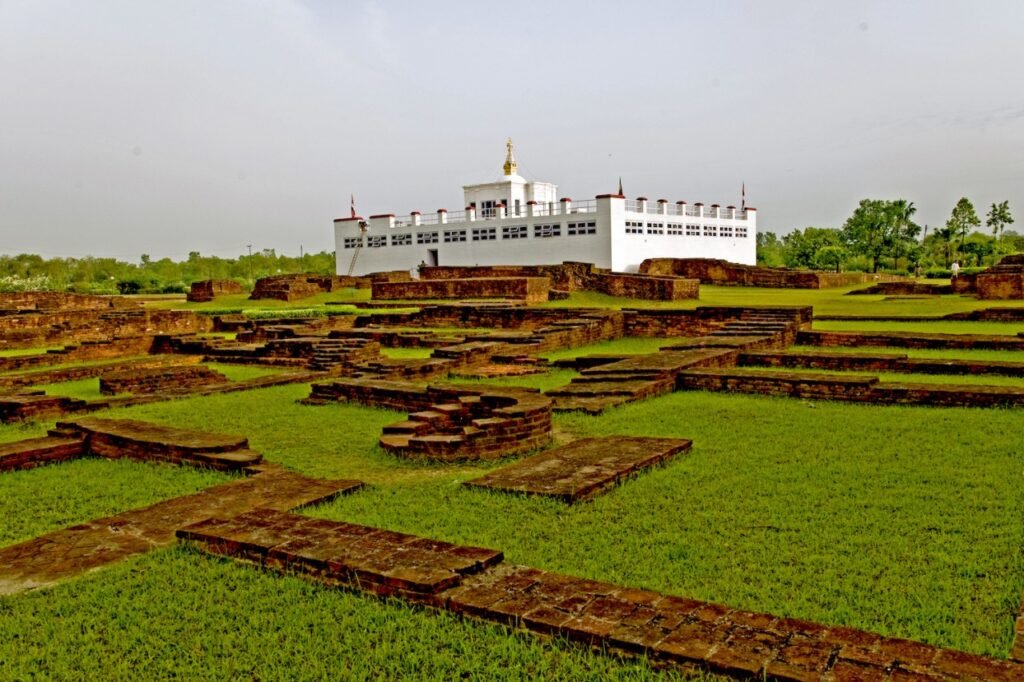
Lumbini: The Birthplace of Lord Buddha – A Complete Travel Guide Discover the sacred birthplace of Lord Buddha, explore ancient monasteries, and experience the peaceful atmosphere of one of Nepal’s most treasured UNESCO World Heritage Sites. Introduction Lumbini, located in the Rupandehi District of southern Nepal, is one of the world’s most revered spiritual destinations. Known as the birthplace of Siddhartha Gautama, who later became Lord Buddha, Lumbini is a place where history, spirituality, and culture come together. Every year, millions of pilgrims, travelers, researchers, and peace seekers visit this sacred site to explore its rich heritage and experience its calm surroundings. Whether you are planning a pilgrimage, a cultural journey, or simply looking for a peaceful travel destination, Lumbini offers an unforgettable experience. The History of Lumbini More than 2,500 years ago, Queen Maya Devi gave birth to Prince Siddhartha Gautama in the beautiful gardens of Lumbini. Prince Siddhartha later attained enlightenment and became Lord Buddha, whose teachings on peace, compassion, and mindfulness continue to inspire people around the world. One of the strongest pieces of historical evidence supporting Lumbini’s significance is the Ashoka Pillar. During his pilgrimage in 249 BCE, Emperor Ashoka erected this stone pillar with an inscription identifying Lumbini as the birthplace of Buddha. Today, Lumbini remains one of the four most sacred pilgrimage sites for Buddhists worldwide. UNESCO World Heritage Site In 1997, UNESCO recognized Lumbini as a World Heritage Site because of its exceptional cultural, historical, and spiritual importance. The protected area preserves archaeological remains, sacred monuments, monasteries, and peaceful gardens that allow visitors to connect with centuries of history. Top Attractions in Lumbini 1. Maya Devi Temple The Maya Devi Temple is the heart of Lumbini. Built over ancient archaeological remains, it marks the traditional birthplace of Lord Buddha. Inside the temple, visitors can view the Marker Stone, believed to indicate the exact birthplace. The surrounding gardens create a peaceful environment for meditation and reflection. 2. Ashoka Pillar Standing beside the Maya Devi Temple, the Ashoka Pillar is one of the most important historical monuments in Nepal. Its inscription confirms Emperor Ashoka’s visit and identifies Lumbini as Buddha’s birthplace. 3. Sacred Garden The Sacred Garden surrounds the temple complex with beautiful greenery, walking paths, and quiet meditation spaces. Visitors from all backgrounds come here to enjoy the peaceful atmosphere. 4. Monastic Zone The Monastic Zone is one of Lumbini’s most unique attractions. Countries from across the world have constructed monasteries that represent different Buddhist traditions and architectural styles. You can visit monasteries built by: Each monastery showcases distinctive art, sculptures, meditation halls, and cultural traditions. 5. World Peace Pagoda The World Peace Pagoda is a magnificent white stupa dedicated to global harmony and peace. Surrounded by gardens and open spaces, it provides a wonderful location for photography, meditation, and quiet contemplation. Best Time to Visit Lumbini The ideal time to visit is from October to March, when temperatures are pleasant and skies are generally clear. If you wish to experience religious celebrations, visit during Buddha Jayanti, which commemorates the birth, enlightenment, and passing of Lord Buddha. The festival features prayers, processions, cultural performances, and ceremonies. Things to Do in Lumbini How to Reach Lumbini By Air The nearest airport is Gautam Buddha International Airport in Bhairahawa, approximately 22 kilometers from Lumbini. Domestic and selected international flights provide convenient access. By Road Lumbini is well connected by highways from major cities such as: Regular buses, tourist coaches, taxis, and private vehicles operate throughout the year. Travel Tips Why Visit Lumbini? Lumbini is much more than a historical destination. It is a place where visitors can experience peace, spirituality, and cultural diversity. Whether you are a Buddhist pilgrim, a history enthusiast, a photographer, or simply someone seeking a quiet retreat, Lumbini offers something truly meaningful. Its sacred monuments, beautiful monasteries, archaeological treasures, and serene atmosphere make it one of Nepal’s most remarkable destinations. Conclusion Lumbini stands as a timeless symbol of peace, compassion, and human enlightenment. As the birthplace of Lord Buddha and a UNESCO World Heritage Site, it welcomes visitors from every corner of the world to discover its remarkable history and tranquil beauty. A journey to Lumbini is more than sightseeing—it’s an opportunity to reflect, learn, and reconnect with values that continue to inspire humanity. Whether you visit for spiritual reasons or cultural exploration, Lumbini promises an experience that will stay with you long after you leave. Book your lumbini tour with us . Plan your visit to Lumbini and discover why this sacred destination remains one of the world’s greatest symbols of peace and harmony.

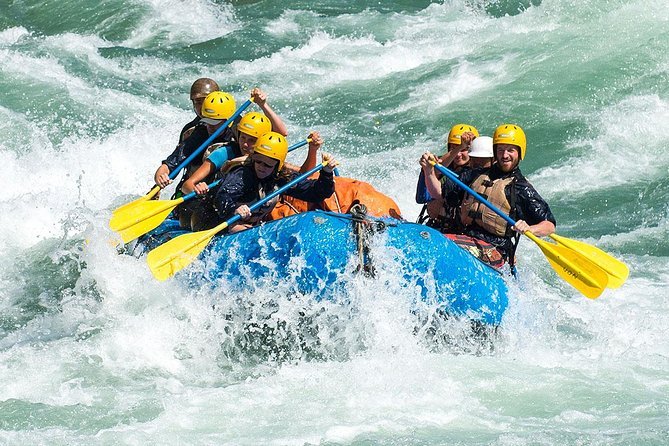
River rafting adventure in Nepal on Trishuli River
blogs

River Rafting in Nepal: A Complete Guide to the Best Rivers

River Rafting in Nepal: Complete 2026 Guide Nepal is not just about towering peaks and quiet mountain trails. Beneath those same mountains runs some of the wildest water on earth. White water rafting in Nepal has become one of the country’s most loved adventure activities, and it is easy to see why. Glacier fed rivers tumble down from the Himalayas through deep gorges and quiet farming villages. Some stretches are calm enough for a lazy float. Others throw you straight into roaring rapids. That mix of thrill and scenery is what makes rafting in Nepal so special. Whether you have two hours or two weeks, there is a river here for you. This guide breaks down the best rivers for rafting in Nepal, when to go, what to expect, and how to plan a trip that actually suits your comfort level. Why Nepal Is a Top Destination for River Rafting Nepal sits at the meeting point of some of the world’s biggest mountains and some of its fastest rivers. Snowmelt and monsoon rain feed a network of rivers that drop quickly from high altitude to low valleys. That drop is exactly what creates strong, exciting rapids. Most rafting rivers in Nepal fall under three major systems: the Koshi in the east, the Gandaki in the center, and the Karnali in the west. Each system has its own character, from short day trips near Kathmandu to remote multi day expeditions in the far west. Rivers are rated on an international grading scale from Class I to Class VI. Class I means gentle water. Class V means serious, technical rapids for experienced rafters. Knowing this scale helps you pick a river that matches your comfort level and experience. Best Rivers for Rafting in Nepal Trishuli River: Best for Beginners and Short Trips The Trishuli River is the most popular rafting spot in Nepal, and for good reason. It sits close to the Kathmandu to Pokhara highway, so it fits easily into almost any travel itinerary. Trips usually run half a day to two days. The rapids sit mostly in the Class II to III range, which suits beginners and families well. You will float past terraced hillsides, small villages, and riverside temples along the way. If you are short on time or rafting for the first time, the Trishuli is the easiest place to start. Bhote Koshi River: Best for Adrenaline Seekers Looking for something more intense? The Bhote Koshi River, fed by the Tibetan plateau, is one of the steepest rafting rivers in the country. Rapids come one after another with barely a break between them. This river sits close to the Nepal Tibet border, roughly three to four hours from Kathmandu. Expect Class III to V rapids depending on the season, along with a short but seriously intense one or two day trip. Some previous rafting experience helps here. This is not the river for a first timer looking for a gentle float. Seti River: Best for Families and First Timers The Seti River flows through the Pokhara valley and offers a gentler, warmer alternative to the bigger rivers. Rapids are generally mild, and the water itself runs a distinctive milky blue. Trips typically last one to two days and end near the confluence with the Trishuli River. If you are traveling with kids or want a relaxed introduction to rafting, the Seti is a smart pick. Kali Gandaki River: Best for Scenery Flowing between the Annapurna and Dhaulagiri massifs, the Kali Gandaki cuts through one of the deepest gorges on the planet. The rafting here mixes Class III and IV rapids with jaw dropping mountain views. This is a three day trip that also passes ancient riverside temples and small ethnic villages. It is a strong choice for rafters who want both adventure and culture in one trip. Sun Koshi River: Best for Multi Day Expeditions Once named one of the ten best river trips in the world, the Sun Koshi is Nepal’s longest rafting river. Trips run seven to nine days, moving from the hills near the Tibetan border down toward the flat plains near the Indian border. Expect big rapids, remote riverside camps, and a genuine sense of wilderness. This trip suits rafters who want a full expedition rather than a quick day out. Karnali River: Best for Remote Wilderness The Karnali is Nepal’s longest and largest river, springing from Mount Kailash across the border in Tibet. Rafting here means ten days of big volume rapids mixed with long, peaceful float sections through untouched jungle. Wildlife sightings, isolated villages, and a strong sense of remoteness make the Karnali a bucket list trip for serious river travelers. Best Time for Rafting in Nepal Timing matters more than most people expect when planning river rafting in Nepal. October and November offer the most stable weather and the best water levels across nearly every river. Skies are clear, temperatures are comfortable, and this is widely considered peak season. March to early June is another solid window, especially before the summer heat builds up. Water levels are lower but still exciting on most rivers. Monsoon season, from June through September, brings swollen rivers and stronger currents. The Trishuli stays raftable year round and can even feel more thrilling during this period, though most operators are more cautious with river selection at this time. If you are planning a multi day trip on the Sun Koshi or Karnali, aim for the post monsoon months of October and November, when water levels are high but manageable. What to Pack for a Rafting Trip in Nepal A few essentials make a real difference on the river: Most rafting operators provide safety gear, including helmets and life jackets, along with a safety briefing before you set off. Safety Tips for River Rafting in Nepal Rafting is generally safe when handled by a licensed and experienced company, but a few precautions go a long way. Always check that your guide is certified and that the

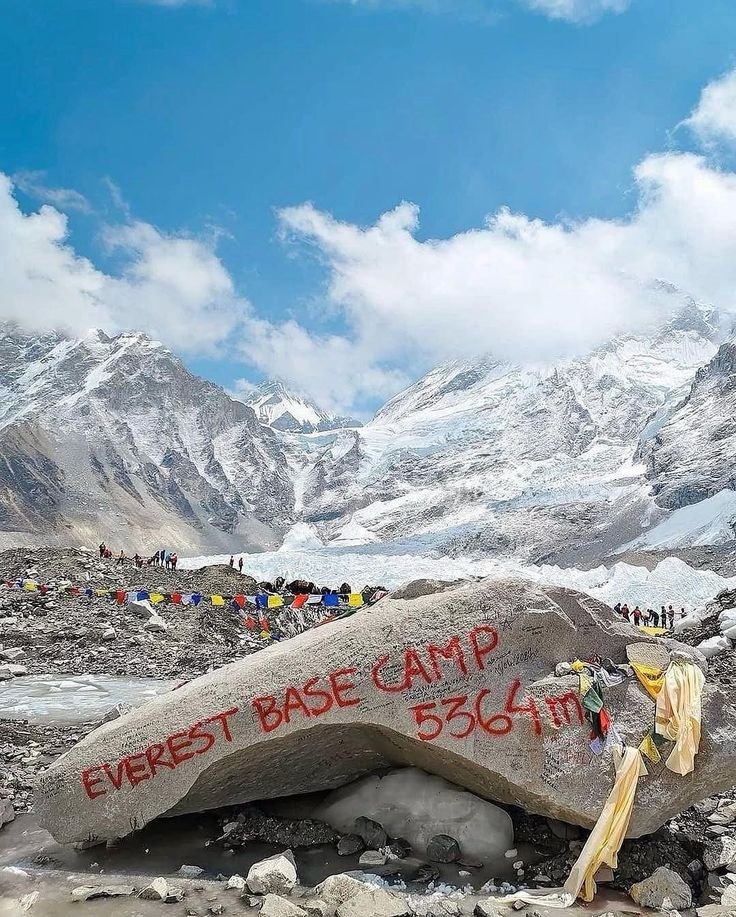
"Everest Base Camp marker rock at 5,364m with snow peaks and prayer flags"
blogs

Everest Base Camp Trekking: The Complete Guide for First-Timers

Everest Base Camp Trekking: The Ultimate Guide to Trekking to Everest Base Camp Standing at the foot of the world’s tallest mountain is a dream for many travelers. Everest Base Camp trekking turns that dream into something real. Every year, thousands of trekkers lace up their boots and head into the Khumbu region of Nepal, chasing views that no photo can fully capture. This guide breaks down everything you need to know. We’ll cover the route, the cost, the best season, and the gear you’ll actually use. No fluff, just practical advice from people who’ve walked the trail. Why Everest Base Camp Trek Is So Popular The Everest Base Camp trek isn’t just about reaching 5,364 meters. It’s about the journey itself. You’ll pass through Sherpa villages, cross suspension bridges, and walk beneath some of the highest peaks on Earth. Along the way, you’ll see Mount Everest, Lhotse, Nuptse, and Ama Dablam up close. You’ll also experience Sherpa culture in towns like Namche Bazaar and Tengboche. For many trekkers, this cultural exchange is just as memorable as the mountain views. Best Time for Everest Base Camp Trekking Timing matters a lot on this trek. Weather in the Himalayas can change fast, so picking the right season improves both safety and enjoyment. Spring (March to May): This is peak season. Rhododendrons bloom across the lower trails, and skies are usually clear. Many climbers also attempt Everest itself during this window, so the trail feels lively. Autumn (September to November): This is the other top choice. Skies are crisp, temperatures are stable, and visibility is excellent. Many consider autumn the best season for Everest Base Camp trekking overall. Winter and monsoon season are possible too, but they come with added challenges like snow, leeches, or limited visibility. Most first-time trekkers should stick to spring or autumn. Everest Base Camp Trek Route Explained The classic route starts with a flight from Kathmandu to Lukla. From there, it’s a multi-day walk through the Khumbu Valley. Here’s a simplified breakdown of the journey: Most itineraries run 12 to 14 days round trip, including rest days. Rushing this trek increases the risk of altitude sickness, so don’t skip the acclimatization stops. Everest Base Camp Trek Cost Budget is usually the first question people ask. The total cost depends on your trekking style, but here’s a rough guide. All in, most trekkers spend between $1,200 and $1,800 for a full Everest Base Camp trekking package, excluding international flights. Budget trekkers going independently can sometimes spend less, but hiring a guide is strongly recommended for safety. Permits Required for Everest Base Camp Trekking You’ll need two main permits for this trek: Both permits are usually arranged in Kathmandu or at the park entrance near Monjo. A registered trekking agency can handle this paperwork for you. How to Avoid Altitude Sickness Altitude sickness is the biggest health risk on this trek. The good news is that it’s largely preventable with smart pacing. Follow these tips to stay safe: If symptoms worsen, descending is the safest response. No summit or base camp view is worth risking your health. What to Pack for Everest Base Camp Trekking Packing right makes a huge difference in comfort. Layers are essential since temperatures swing widely between day and night. Key items include: Pack light. Porters can only carry so much, and you’ll appreciate a lighter daypack on long uphill stretches. Fitness Level Needed for the Trek You don’t need to be a professional athlete, but solid fitness helps a lot. Most trekking days involve five to seven hours of walking, often on uneven terrain. Start training a few months before your trip. Hiking, stair climbing, and cardio workouts all help build endurance. Mental preparation matters too. Long days and high altitude can be tiring, even for fit trekkers. Internal and External Resources Worth Checking For more detailed planning, consider linking to a packing checklist or altitude sickness guide on your own site. You might also reference Nepal’s official tourism board or the Nepal Mountaineering Association for permit updates and safety guidelines, since rules can change from year to year. Final Thoughts on Everest Base Camp Trekking Everest Base Camp trekking is challenging, but it’s also one of the most rewarding adventures on Earth. With the right preparation, season, and pacing, almost any reasonably fit traveler can complete it. Take your time, listen to your body, and soak in the views. Few experiences compare to standing in the shadow of the world’s highest peak. Frequently Asked Questions 1. How difficult is the Everest Base Camp trek? It’s considered moderately difficult. The trails aren’t technical, but high altitude and long walking days make it physically demanding. 2. How many days does the Everest Base Camp trek take? Most itineraries take 12 to 14 days round trip from Lukla, including acclimatization days. 3. Do I need a guide for Everest Base Camp trekking? While not always legally required, a guide improves safety, navigation, and altitude sickness management significantly. 4. What is the best season for Everest Base Camp trekking? Spring and autumn offer the clearest skies and most stable weather, making them the top choices for most trekkers. 5. How much does the Everest Base Camp trek cost? Expect to spend between $1,200 and $1,800, depending on guide services, accommodation, and flight costs. 6. Is prior trekking experience necessary? No, but good fitness and some hiking experience make the trek more enjoyable and less physically stressful.

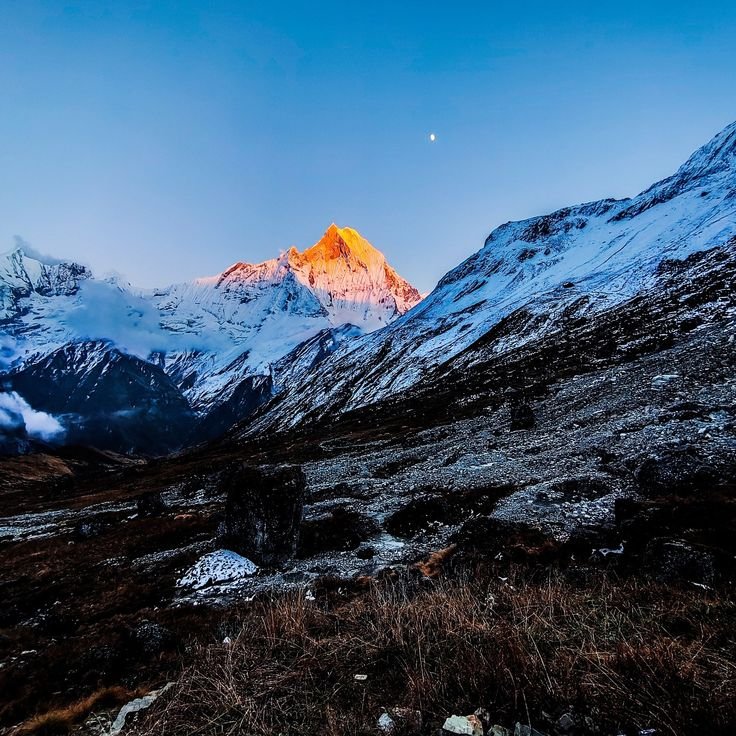
Beautiful sun reflection on top of Annapurna
blogs

Annapurna Base Camp Trek: Cost, Best Season & Itinerary (2026 Guide)

Annapurna Base Camp Trek: The Complete Guide for 2026 If you’ve scrolled through trekking forums or Himalaya photos online, you’ve probably fallen for the Annapurna Base Camp trek already. And honestly? It deserves the hype. Few treks let you stand inside a natural amphitheater of 7,000m and 8,000m peaks after just a week of walking. This guide covers everything you need before you book. That means cost, difficulty, best season, permits, packing, and the questions every first-time trekker asks. No fluff. Just what you need to plan with confidence. What Makes the Annapurna Base Camp Trek So Special The Annapurna Base Camp trek, often shortened to ABC trek, takes you deep into the Annapurna Sanctuary. It’s a bowl-shaped basin ringed by some of the most dramatic mountains on Earth. You’ll reach Annapurna Base Camp itself at roughly 4,130 meters. Along the way, you’ll pass Machhapuchhre Base Camp at around 3,700 meters. What sets this trek apart from Everest Base Camp is the variety packed into a short trail. You walk through: Along the route, you’ll stay in classic teahouses run by local families. You can sample home-cooked Nepali food and get a real glimpse into mountain culture. It’s this mix of culture, forest, and high-altitude drama that keeps ABC near the top of every “best treks in Nepal” list. Annapurna Base Camp Trek Distance, Duration, and Difficulty One of the first questions people ask is simple: how hard is the Annapurna Base Camp trek, really? The honest answer is moderate, not extreme. The total trekking distance covers roughly 70 km. Most itineraries spread this across 7 to 12 days, depending on side trips like Poon Hill. Operators generally rate it as moderate difficulty. Well-maintained trails and frequent teahouses make it easier than remote, unsupported routes. That said, don’t underestimate it. You’ll face long uphill stone staircases, unpredictable weather, and real altitude. The climb to Chhomrong alone is a notorious leg-burner. Because the trek climbs above 4,000 meters, altitude sickness is a genuine risk. Gradual ascent, proper hydration, and listening to your body matter more than raw fitness. Most operators suggest a simple fitness baseline. You should be able to walk several kilometers at a steady pace without exhaustion. Many companies also set a general age guideline of 12 years and above. That makes ABC a trek that families and complete beginners can train for. Best Time to Trek to Annapurna Base Camp Timing your trek right can make or break the experience. Spring and autumn are widely considered the best seasons. Both offer pleasant temperatures, clear skies, and great mountain visibility. Annapurna Base Camp Trek Cost: What to Budget This is where planning often gets derailed. Small expenses add up fast if you don’t plan for them. Here’s a realistic breakdown for 2026. Guided package cost: Most guided packages run roughly $600 to $800 for 7 to 10 days. This covers permits, accommodation, food, and a licensed guide. Add a porter or go solo with a private guide, and costs climb higher. Solo travelers often pay more since costs aren’t split with a group. Daily cost on the trail: A standard guided trek averages $50 to $80 per day. This factors in permits, guide support, meals, accommodation, and transport. Independent trekking costs less per day, but you’ll handle logistics, permits, and navigation yourself. Permits: This cost is mandatory and non-negotiable. You’ll need both ACAP (Annapurna Conservation Area Permit) and TIMS (Trekkers’ Information Management System card). Together, they cost approximately NPR 4,000, or around $31 USD, for most foreign nationals. Since 2023, hiring a licensed guide has become mandatory for the Annapurna region. Factor guide fees in, even if you’d originally planned to trek solo. Accommodation: Teahouses get pricier and more basic as you climb. Expect roughly $5 to $15 per night for a simple room. Costs rise at higher altitude because supplying remote lodges takes more effort. Hidden costs to plan for: Charging your phone, hot showers, Wi-Fi, and hot drinks all cost more the higher you climb. Budget extra for these, or they’ll catch you off guard. Travel insurance: Don’t skip this one. A helicopter rescue from the Annapurna region can cost $3,000 to $5,000 or more without insurance. Make sure your policy covers high-altitude trekking and emergency evacuation. Annapurna Base Camp Permits Explained Sort your paperwork before leaving Pokhara. It saves you headaches at checkpoints later. Both ACAP and TIMS permits are mandatory. They’re checked multiple times along the trail, so don’t plan on skipping this step. You can arrange permits through: Permit fees stay fixed regardless of season. Busy autumn or quiet winter, you’ll pay the same rate either way. One tip: print your passport photos before reaching the permit office. Getting them done in Kathmandu’s Thamel district is usually cheaper than near the permit offices themselves. A Sample Annapurna Base Camp Trek Itinerary Itineraries vary by operator. Here’s a fairly typical 10 to 11 day plan: Most operators build in a buffer day for weather delays or extra acclimatization. It’s worth keeping that day in your plan rather than skipping it. Packing Essentials for the ABC Trek You don’t need mountaineering-grade gear. A few key items make a real difference: Frequently Asked Questions About the Annapurna Base Camp Trek How long does the Annapurna Base Camp trek take? Most itineraries run between 7 and 12 days. It depends on your starting point, pace, and any detours like Poon Hill or Mardi Himal. How difficult is the Annapurna Base Camp trek for beginners? It’s considered moderate. The trail is well-marked with frequent teahouses. Still, expect long daily walks and altitude that requires sensible pacing. Do I need a guide for the Annapurna Base Camp trek? Yes. Recent regulation changes made licensed guides mandatory in the Annapurna Conservation Area. Independent solo trekking is no longer permitted on this route. What permits do I need for the ABC trek? You need both the ACAP and a TIMS card. Both get checked at multiple checkpoints along the trail, so

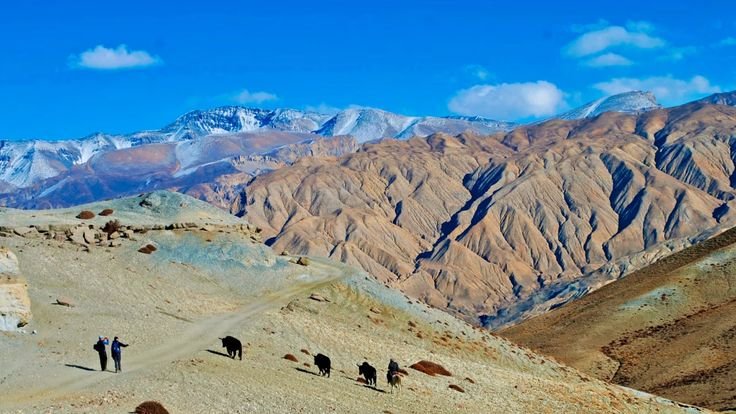
Trekkers walking with yaks on Upper Mustang tour trail with Himalayan desert landscape Nepal
blogs

Exploring the Wonders of Upper Mustang

An upper mustang tour takes you to one of the world’s most extraordinary hidden landscapes — the ancient Forbidden Kingdom of Nepal. Streets unchanged since the fifteenth century. Tucked against the Tibetan plateau, this breathtaking high-altitude desert defies every expectation. This hidden world offers an adventure far removed from the crowded trails of Everest. For centuries, these forbidding canyon walls protected an ancient way of life. Historical records confirm that this isolated territory earned its title as the Forbidden Kingdom by remaining strictly closed to outsiders until 1992. Geography and politics worked together to shield its fragile traditions from the modern world. Today, that deep isolation means travelers can witness beautifully preserved living history. At the heart of this environment sits the Kingdom of Lo, a society deeply rooted in Tibetan Buddhism. The crown jewel is Lo Manthang, an ancient capital enclosed by an imposing earthen wall. Walking through these narrow alleys feels like wandering through a vibrant museum. Monks chant in ancient monasteries while locals spin brass prayer wheels just as their ancestors did generations ago. Modern dirt roads now let visitors experience these high-altitude wonders comfortably by four-wheel drive, offering an alternative to extreme mountain trekking. Your adventure begins where the paved roads end and the ancient trade routes emerge from the dust. Behind the Himalayan Wall: How the Rain Shadow Creates a Desert in the Clouds When you picture Nepal, lush green valleys and snow-capped peaks come to mind. Yet tucked at the top of the country lies a landscape that resembles the American Southwest more than Mount Everest. Picture the red rock canyons of Utah elevated thousands of feet into the sky. This is the high-altitude desert Nepal keeps hidden, a place where jagged sandstone cliffs glow under a relentless sun. The secret behind this arid wonderland is a massive geographical barrier. As storm clouds roll in from the Indian Ocean heavy with summer rain, they crash into towering Himalayan peaks. These mountains act like a colossal stone umbrella, forcing clouds to drop all their moisture on the southern slopes. By the time the wind crosses into Mustang, the air is bone-dry, a textbook rain shadow effect. This unique weather block places the region entirely behind the main mountain range as a dry Trans-Himalaya zone. While the rest of Nepal spends summer drenched in monsoon downpours, Upper Mustang stays brilliantly sunny, crisp, and clear. This makes it one of the rare Himalayan destinations that is genuinely perfect for summer travel, with dry boots and unobstructed views guaranteed. The dusty trail deeper into this protected dry zone reveals layers of human history. The route winds past hidden caves and ancient Kali Gandaki river valley cultural sites, where low moisture has perfectly preserved centuries-old Buddhist murals. The canyon eventually widens, leading straight toward the walled city of Lo Manthang. Entering the Walled City: A Guide to the Ancient Kingdom of Lo Stepping through the grand northern gate of Lo Manthang feels like crossing a threshold into another century. This striking capital is a living fortress defined by towering whitewashed mud-brick walls rising starkly against the desert sky. Once a bustling hub on the ancient salt trade route, its maze-like alleys now offer premier Lo Manthang walled city attractions. Beyond the architecture, the true heart of this settlement is its people. The indigenous Loba community has served as guardian of the Ancient Kingdom of Lo historical sites for generations. Their communal social structure survived intact precisely because the harsh surrounding geography kept outsiders away for so long. Spiritual life anchors every aspect of daily existence within these gates. The city’s pulse beats strongest inside its ancient Gompas, local monasteries that serve as vaults for sacred relics. Inside these dimly lit sanctuaries you find stunning Thangka art: brilliantly colored scroll paintings depicting Buddhist deities, perfectly preserved by the dry Trans-Himalayan air. Explore these four cornerstone landmarks to grasp the scale of Lo Manthang’s spiritual heritage: •      Jampa Lhakhang: The oldest monastery, famous for its massive three-story Buddha statue and floor-to-ceiling mandala paintings. •      Thubchen Gompa: A grand assembly hall featuring soaring wooden pillars and vibrant centuries-old murals. •      Choede Gompa: The active center of monastic life, offering a respectful glimpse into the spiritual practices of young monks. •      The Royal Palace: A commanding five-story structure at the city’s center that historically housed the King of Mustang. Upper Mustang Tour Options: Jeep Safari vs. Trekking For decades, reaching the walled city meant committing to weeks of grueling high-altitude hiking. That narrative changed completely with the carving of a dirt road through the Kali Gandaki gorge. This new infrastructure has transformed the ultimate Mustang adventure from an elite mountaineer’s dream into an accessible journey for anyone with a spirit of wanderlust. Walking the ancient salt trade routes on foot remains the purest way to experience the region. Trekking Upper Mustang immerses you directly in the elements: sweeping desert winds, the chime of mule bells, and the slow, rewarding acclimatization to thin air. Be prepared, however, for long dusty days navigating steep ascents while your body works harder at 12,000 feet. If a strenuous hike sounds more exhausting than exciting, the modern road offers a spectacular alternative. An upper mustang jeep tour lets you skip the physical strain without sacrificing the breathtaking views. A rugged 4×4 acts as a fast-forward button, cutting travel time in half while letting you hop out to explore centuries-old caves and monasteries along the way. Use this quick comparison when planning your Upper Mustang trek or drive: •      Time: A traditional hike takes 12 to 14 days; a jeep safari compresses the round trip to 7 or 8 days. •      Physical Intensity: Trekking demands high stamina; driving requires only a tolerance for bumpy unpaved roads. •      Cost: Jeeps carry higher daily rental and fuel fees, but the shorter trip often balances out the extended guide and lodging costs of hiking. The $500 Key:

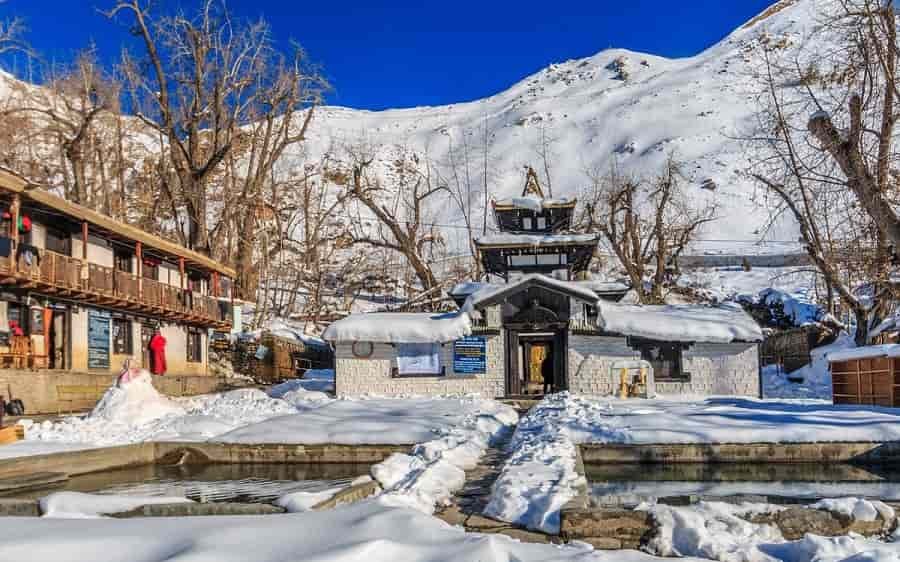
Muktinath Temple in Mustang, a sacred pilgrimage site in Nepal
blogs

Muktinath Tour Package for Nepali 2026 | Best Price from Kathmandu & Pokhara

Kathmandu Muktinath tour package 2026 is one of the most popular spiritual journeys in Nepal, combining pilgrimage, scenic beauty, and cultural experiences. Imagine leaving the humid, incense-swirled streets of Kathmandu. Within the same week, you arrive in a wind-swept high-altitude landscape where the earth turns to jagged shades of ochre and rust. This dramatic geographic shift is the core of a Kathmandu–Muktinath tour.It moves you from a sub-tropical valley into the rain-shadow desert of Lower Mustang.TThe Annapurna and Dhaulagiri ranges block the monsoon.As a result, the trans-Himalayan corridor around Jomsom and Muktinath stays dry. Within that formidable setting sits a rare shared sacred space. Known historically as Mukti Kshetra (the “Place of Liberation”), Muktinath is venerated by Hindus as a locus of Vishnu devotion and by Buddhists as a site associated with Avalokiteshvara. A conventional Nepal temple tour may emphasize architecture and iconography; a Muktinath pilgrimage additionally foregrounds altitude, wind, and an almost minimalist terrain that intensifies ritual meaning. This article follows a 6-day flight-based tour design (Kathmandu → Pokhara → Jomsom/Muktinath → Pokhara → Chitwan → Kathmandu). We designed this tour for travelers who want the core pilgrimage experience plus Kathmandu sightseeing, Pokhara relaxation, and a Chitwan wildlife interlude without converting the trip into a long overland endurance drive. It also addresses the central planning variable for 2026: domestic flight timing and weather sensitivity in the Himalaya. Who This Kathmandu Muktinath Tour Package Fits Best Tour operators sell many versions of a Kathmandu to Muktinath tour package, but the 6-day, flight-forward format tends to work especially well for: It is less ideal for those who want a slow, immersive Mustang journey with multiple villages, long walks, and multi-night high-altitude acclimatization. That is a different product, even if the destination label looks similar. Arrival in Kathmandu: Why Pashupatinath Aarati Is the Right First Ritual A Kathmandu itinerary can be compressed, but it should not be spiritually “thin.” For many Nepali travelers, the evening Aarati at Pashupatinath functions as a ceremonial threshold, an intentional first act that frames the entire tour as pilgrimage rather than sightseeing. Practically, it is also efficient: the ritual window is fixed (typically around 5:30–6:30 PM), making it an anchor around which airport transfer, hotel check-in, and a first-night meal can be organized. If it is your first visit, arrive early enough to find a good vantage point on the Bagmati River steps. The atmosphere is dense with sensory cues, bells, chants, incense, and the river’s constant movement creating a surprisingly effective “reset” after travel. Many groups choose to keep the first night gentle: a short walk, light meal, and early sleep to protect the next morning’s flight schedule. When timing allows, a welcome dinner with a Nepali cultural show provides a low-effort cultural orientation without compromising the next day’s transit. Route of Kathmandu Muktinath Tour Package Your package sequence is Kathmandu → Pokhara by flight, then Pokhara → Jomsom by early flight. This reflects the main logistical reality of Mustang: flights are fast but weather-dependent. The Pokhara–Jomsom sector is typically scheduled early because valley winds intensify later in the morning; this is why the Muktinath day is usually built around an early departure, a controlled temple window, and a return flight with buffer time. For travelers comparing alternatives, road travel remains viable, but it reconfigures the experience into a long, physically abrasive off-road transit. In a 6-day design that also includes Chitwan, the flight-based pattern is the only way to preserve enough time for both pilgrimage and wildlife-focused respite. This Kathmandu Muktinath tour package is designed to maximize comfort while covering Nepal’s most iconic destinations. What’s Included in Kathmandu Muktinath Tour Package Inclusions vary by operator and hotel class, but a well-defined Muktinath temple tour package from Kathmandu commonly bundles logistics that are otherwise difficult to coordinate across multiple domestic sectors. Typical inclusions may involve: Common exclusions include lunch/dinner outside Chitwan meal plans, personal expenses, tips, travel insurance, optional adventures (paragliding, cable car add-ons), and expenses created by weather-related flight disruption (unless your operator explicitly covers them). Asking for an itemized inclusion/exclusion sheet before confirming is one of the most reliable ways to compare “best price” claims. High-Altitude Reality Check: Muktinath at 3,800 m Without Drama At Muktinath’s elevation, physiology becomes part of the itinerary. Even if your time at altitude is brief, headaches, fatigue, and breathlessness can arise, especially if hydration is neglected during flights and vehicle transfers. The simplest mitigation protocol is non-negotiable: aggressive hydration, conservative pacing on stairs, and avoiding heavy exertion immediately after arrival. The itinerary follows Pokhara → Jomsom → Muktinath → Jomsom → Pokhara. Your sleep altitude stays low. This reduces the risk of acute mountain sickness. Still, it helps to know the “red-flag” symptoms: persistent headache that does not improve, confusion, severe nausea/vomiting, and breathlessness at rest. If these appear, the correct response is not to “push through,” but to descend and seek medical guidance. The Muktinath Core: Darshan, 108 Water Spouts, and the Eternal Flame The ritual nucleus is compact yet dense with symbolism. Pilgrims typically prioritize: A purely practical note: the water is glacier-fed and punishingly cold. If you intend to pass under the spouts, carry a quick-dry towel, a change of clothes, and a sealed bag for wet layers so the return trip does not become uncomfortable. If you have time and interest, the broader sacred environment is also worth noticing. Muktinath is not only a “single shrine”; it is a high plateau of layered meaning prayer flags, small monastic structures, and panoramic lines toward Nilgiri and the Mustang corridor. Even a short, quiet pause (away from the main steps) tends to deepen the experience. Day-by-Day Experience Notes: What Each Day Feels Like (Not Just the Schedule) Your itinerary is already clear. What often helps travelers is understanding the character of each day where stress accumulates, where the trip relaxes, and what to prioritize so the package feels coherent rather than rushed. Day 01: Arrival in Kathmandu + Pashupatinath Aarati Practical tip: Keep this day

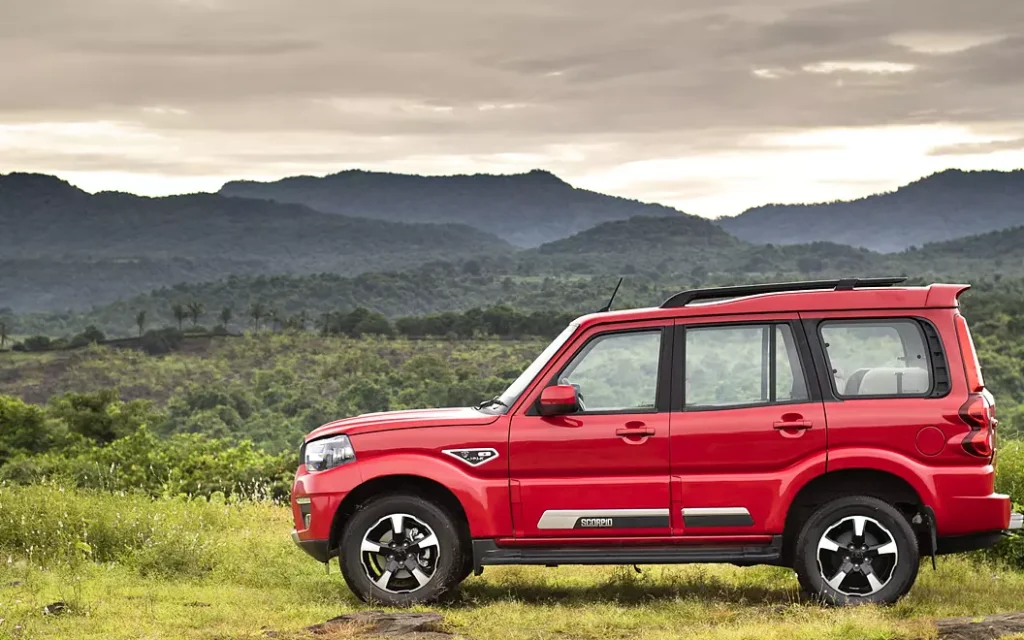
Red jeep safari in Chitwan National Park grassland, Nepal
blogs

Essential Tips for Car for Rent in Nepal Services

Renting Car services in Nepal Planning to explore Nepal with freedom and comfort? A car for rent in Nepal is one of the best ways to travel across cities like Kathmandu and Pokhara or reach mountain destinations at your own pace. Whether you are a tourist or business traveler, choosing the right vehicle rental service in Nepal ensures a smooth, safe, and flexible journey. If you are planning a trip, you might find yourself asking: can you rent a car in nepal? The short answer is a resounding yes. However, securing a vehicle here is a bit different from picking up a rental at an American or European airport. Whether you are an adventurous tourist looking for a rugged mountain vehicle, or a business traveler needing seamless city transit, understanding the nuances of a nepal vehicle rental will save you time, money, and stress. This comprehensive guide will walk you through everything you need to know, from the average rent of a car in Nepal to the logistics of hiring an off-road vehicle for those legendary trekking routes. Understanding Car for Rent in Nepal Culture and System Before diving into the numbers, it is crucial to understand how you actually rent a car in Nepal. In many Western countries, the default option is to rent a car and drive it yourself. In Nepal, the standard practice is renting a car that comes with an experienced local driver. Why Most Travelers Hire a Driver In Nepal, most people prefer renting a car with a driver. This is because roads can be narrow, busy, and unfamiliar for foreign drivers. Hiring a local driver makes travel easier and safer. Driving Conditions in Nepal Driving in Kathmandu is often crowded. Traffic includes cars, bikes, and pedestrians all sharing tight roads. Outside cities, roads become steep and uneven, especially in mountain areas. Rules for Foreign Drivers Foreign visitors usually need an international driving permit. Many travelers avoid self-driving due to strict rules and high deposits. That is why most people choose a car for rent in Nepal with a driver. Car for Rent in Nepal Price Guide (2026 Rates) When budgeting for your trip, the car rent price in Nepal will largely depend on the type of vehicle, the duration of your rental, and the specific terrain you plan to cover. Prices fluctuate slightly depending on the tourist season (Autumn and Spring being the most expensive), but generally remain quite affordable compared to Western standards. Here is a breakdown of what you can expect when looking for a car for rent in nepal: City Hatchbacks and Sedans If you are planning to stay within the Kathmandu Valley to visit heritage sites like Boudhanath, Swayambhunath, and Patan, a standard sedan (like a Suzuki Swift, Hyundai Grand i10, or Swift Dzire) is perfect. These are the best budget car hire options for tourists. SUVs and Luxury Vehicles For families, small groups, or those simply wanting a more comfortable ride, SUVs are incredibly popular. If you are wondering about the average price for luxury SUV rental in Kathmandu, vehicles like a Kia Sportage, Hyundai Tucson, or even a basic Toyota RAV4 will run you higher than standard sedans. Long-Term Rentals for Expats If you are relocating to Nepal for work or an extended stay, daily rates will quickly eat into your budget. Fortunately, monthly vehicle leasing costs for expats are highly negotiable. Airport Transfers If you just need a quick ride upon arrival, you don’t necessarily need a full-day rental.Airport transfer fees from Tribhuvan International Airport to major hubs like Thamel or Patan are generally fixed. Car for Rent in Nepal for Intercity Travel (Kathmandu to Pokhara) One of the great joys of visiting Nepal is road-tripping between its major cities and tourist hubs. Booking intercity car service for sightseeing allows you to travel on your own schedule, stopping for photos of terraced farm fields, suspension bridges, and deep river gorges. The Kathmandu to Pokhara Journey The highway connecting the capital to the lakeside city of Pokhara is one of the most traveled routes in the country. The Kathmandu to Pokhara private car hire cost generally ranges from $100 to $150 for a one-way trip in a comfortable sedan or standard SUV. When planning this leg of your journey, you might find yourself comparing private transport vs tourist bus prices. Getting a car on rent in nepal for intercity travel is highly recommended if you are traveling with two or more people, as the split cost makes it incredibly economical. 4WD Car for Rent in Nepal for Mountain and Trekking Routes Nepal is synonymous with the Himalayas, and reaching the start of famous trekking trails requires navigating some incredibly rugged terrain. Standard sedans will not survive these roads. You will absolutely need an off-road vehicle hire for mountain terrain. The Mighty Mahindra Scorpio When it comes to the mountains, the Mahindra Scorpio is the undisputed king of Nepalese roads. Hiring a 4WD Scorpio for trekking routes—such as the drive to Syabrubesi (for the Langtang trek) or Besisahar (for the Annapurna Circuit)—is the industry standard. It boasts high ground clearance, four-wheel drive capabilities, and enough torque to pull through mud and steep inclines. Scorpio vs. Land Cruiser For those with a higher budget, the Toyota Land Cruiser offers a premium off-road experience. When looking at Mahindra Scorpio vs Toyota Land Cruiser rental rates, the differences are distinct: Whether you choose the Scorpio or the Land Cruiser, ensuring your car hire nepal includes a driver experienced in off-road, high-altitude driving is a matter of absolute safety. Budgeting for Hidden Costs and Extras When you finalize your rent a car in nepal price, it is vital to read the fine print. The base daily rate does not always cover everything. To avoid surprises, keep an eye out for these additional expenses: Fuel Costs While some daily rates for city tours include fuel, out-of-valley trips almost always require the renter to pay for gas. Knowing how to calculate fuel expenses for

Scroll to Top