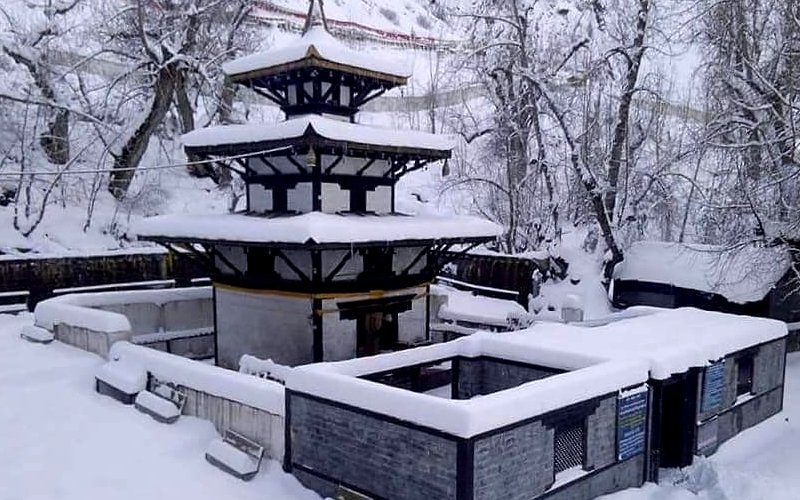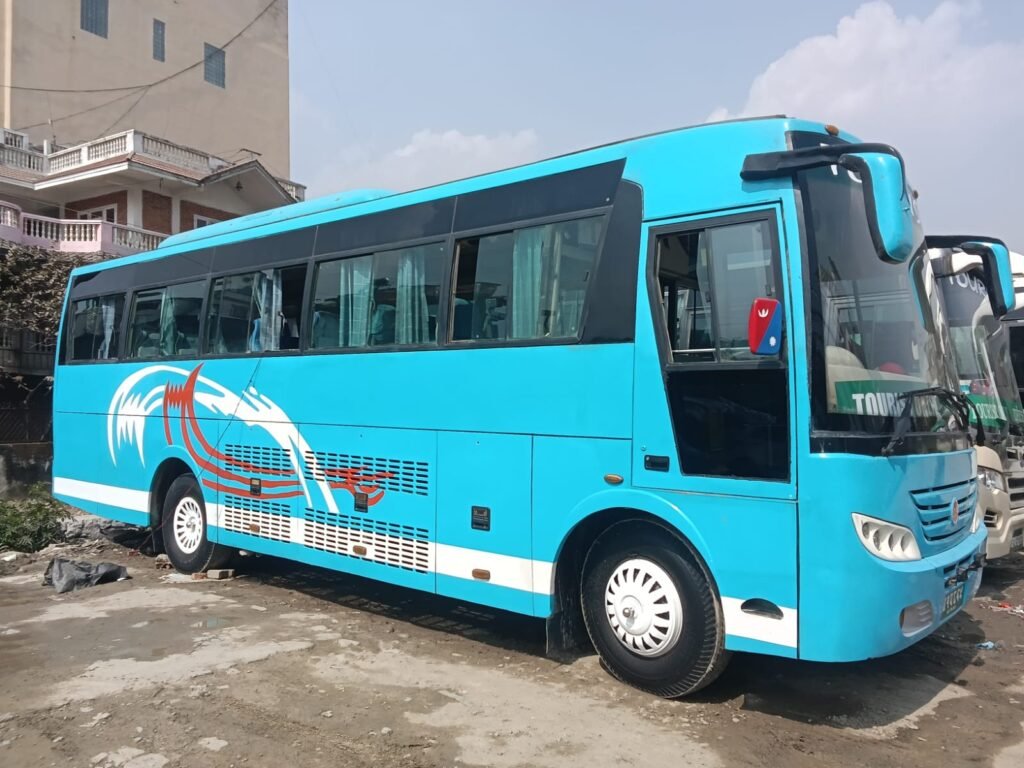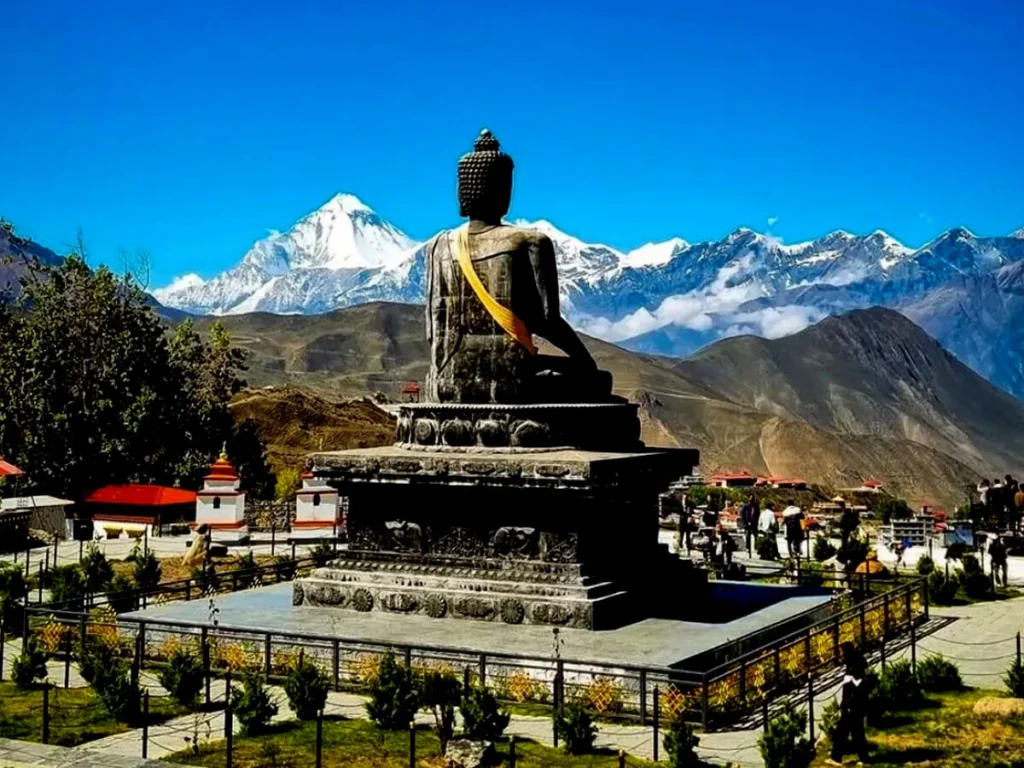
Exploring the Best Kathmandu to Muktinath Packages 2026
Glance at a standard map, and the distance between Nepal’s bustling capital and the sacred mountain shrines seems surprisingly short. Barely 200 kilometers separate them, which normally looks like a quick morning drive. However, experienced guides know that travel time Nepal style operates on a completely different scale. The journey from Kathmandu to Muktinath is a profound transition between two worlds, where steep vertical gains turn a short map distance into a full-day commitment. Beating the notorious Mugling-Pokhara highway congestion requires setting your alarm long before sunrise. Leaving the city by 5:00 AM is non-negotiable to stay ahead of heavy transport trucks. According to regional transit data, the sheer scale of the Himalayan foothills forces your pacing to slow down dramatically. This early start guarantees you spend daylight hours enjoying the shift from green hills to high-altitude deserts rather than staring at taillights. How will you tackle the final stretch to the mountain gateway of Jomsom? You have two primary options: a breathtaking morning flight past snow-capped peaks, or a rugged jeep adventure through the deep Kali Gandaki gorge. While flights save precious time, overland travel allows your body to naturally adjust to the thinning air. Your ideal Kathmandu to Muktinath tour package depends heavily on balancing available time with your appetite for adventure. Because each traveler’s physical comfort level varies, evaluating the specific demands of each route ensures your focus remains entirely on the stunning views. The Great Debate: Kathmandu to Muktinath by Road vs. Flight Your most significant decision when planning this journey is choosing how to travel. When weighing Kathmandu to Muktinath by road vs flight, you are essentially trading time for money, and predictability for adventure. Because you already understand basic travel budgeting, recognizing the drastic difference between a quick aerial hop and a multi-day drive is the key to finalizing your core expenses. Taking to the skies cuts travel time dramatically, but mountain aviation follows strict natural rules. The scenic flight takes just 20 minutes, yet it only operates early in the morning. By 11:00 AM, the local valley geography acts like a natural wind tunnel, creating fierce afternoon gusts that make landing unsafe. Consequently, weather cancellations are common, requiring a flexible itinerary and patience. The primary trade-offs center around three main factors: Regardless of your initial choice, everyone converges for the final leg. The stretch from Jomsom to Muktinath requires a shared local jeep ride ascending rapidly toward the sacred temple. This shared reality means both paths ultimately demand a bit of physical endurance before reaching the shrines, ensuring an authentic Himalayan adventure. Once your transport is booked, the logistical puzzle is only half solved. Before you can legally board that morning flight or long-haul jeep, you must secure government permission to explore the Annapurna region through mandatory conservation permits and local fees. Hidden Costs and Legal Paperwork: Navigating Permits and Fees Stepping into the Himalayas requires more than just a booked flight or jeep; you must also secure government clearance. Because the sacred temple sits in a protected ecosystem, every traveler must obtain two specific documents: the Annapurna Conservation Area Project (ACAP) permit and a Trekkers’ Information Management Systems (TIMS) card. Think of the ACAP as your environmental entrance ticket to help preserve the landscape, while the TIMS card acts as a remote safety registry for local authorities. To avoid hefty fines or frustrating checkpoint rejections, you must secure these essential permits for Mustang in Kathmandu or Pokhara before you ever depart for the mountains. Your passport directly dictates the cost of these documents, as Nepal relies on a tiered pricing system to fund local conservation. For instance, the baseline Muktinath yatra cost for Indian pilgrims is much lower than for Western tourists due to regional travel agreements. Here is a quick breakdown of the current Annapurna Conservation Area Permit requirements and average TIMS fees: With your paperwork stamped and safely tucked into your daypack, the bureaucratic hurdles are officially behind you. Yet, as your transport climbs out of the lush river valleys and into the arid, high-altitude desert, your body faces a completely different kind of entry requirement. Crossing into these towering mountains means dealing with rapidly thinning air, making biological adaptation your next critical focus. 3,710 Meters High: Staying Safe from Altitude Sickness Reaching the sacred grounds means ascending to a staggering Muktinath altitude of 3,710 meters, where oxygen levels drop significantly. Your body naturally needs time to adapt to this new environment, a transition that can sometimes trigger Acute Mountain Sickness (AMS). Think of AMS not as a medical crisis, but as your biology’s early warning system asking you to slow down. If you begin to experience unusual fatigue, a dull headache, or mild nausea, your system is simply adjusting to the thin atmospheric pressure. Smart tour itineraries ensure a safe journey by building in acclimatization pacing, which is the practice of ascending gradually so your lungs can catch up. Instead of rushing straight from the low valleys to the shrine, well-designed packages include an overnight stay in the town of Jomsom at roughly 2,740 meters. Resting here acts as a crucial stepping stone, giving your cardiovascular system a chance to stabilize before the final ascent. These structured pauses provide the most effective acclimatization tips for high altitude Nepal temples, transforming a potentially demanding trip into a manageable, safe adventure. You also control how well your body handles the climb through your daily habits. Implementing a proactive 24-hour hydration and diet plan—drinking plenty of water while avoiding heavy meals and alcohol—is essential for preventing altitude sickness in Lower Mustang. By keeping your system flushed and properly fueled, you bypass the sluggishness of the mountain desert and arrive at the sanctuary feeling vibrant and ready to explore the temple’s 108 spouts and the surrounding riverbed’s sacred shaligram stones. Beyond the Temple: The Mystery of 108 Spouts and Shaligram Stones The magic of this high-altitude sanctuary lies in its ability to unite two different religions in one peaceful space. Hindus revere