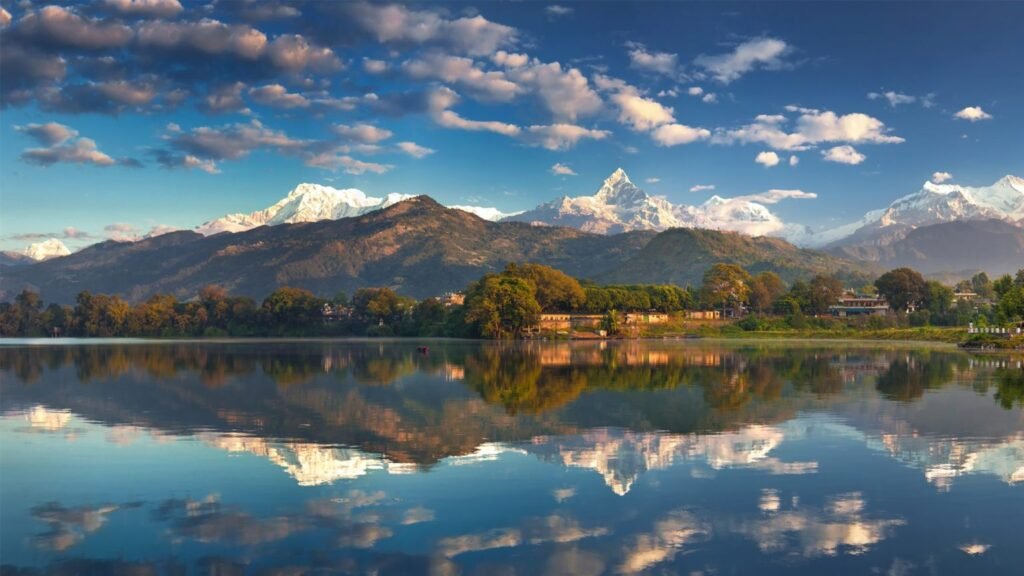
Pokhara: Nepal’s Paradise of Mountains, Lakes, and Adventure
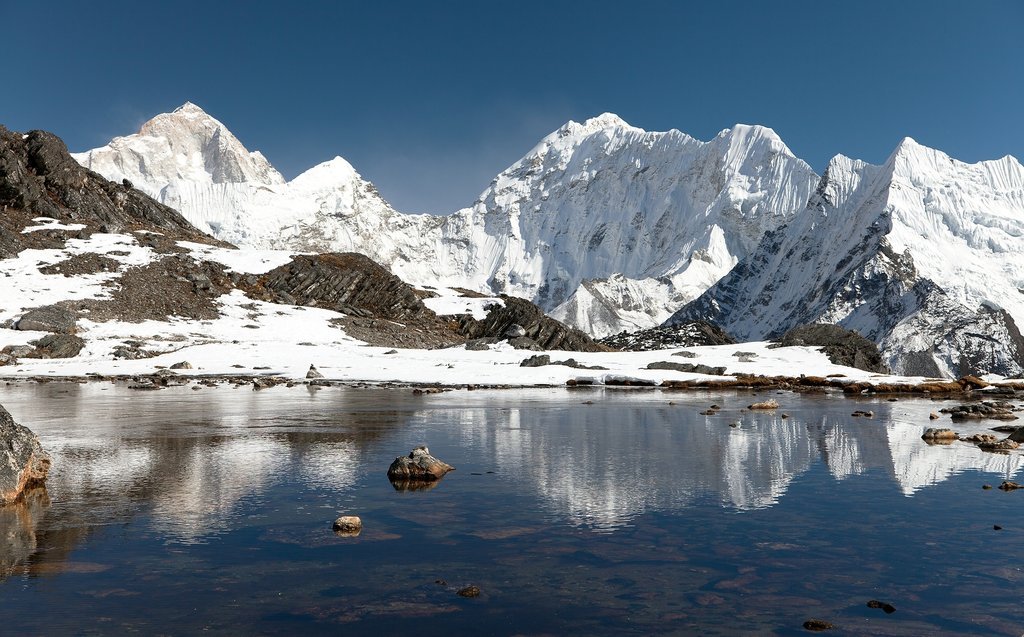
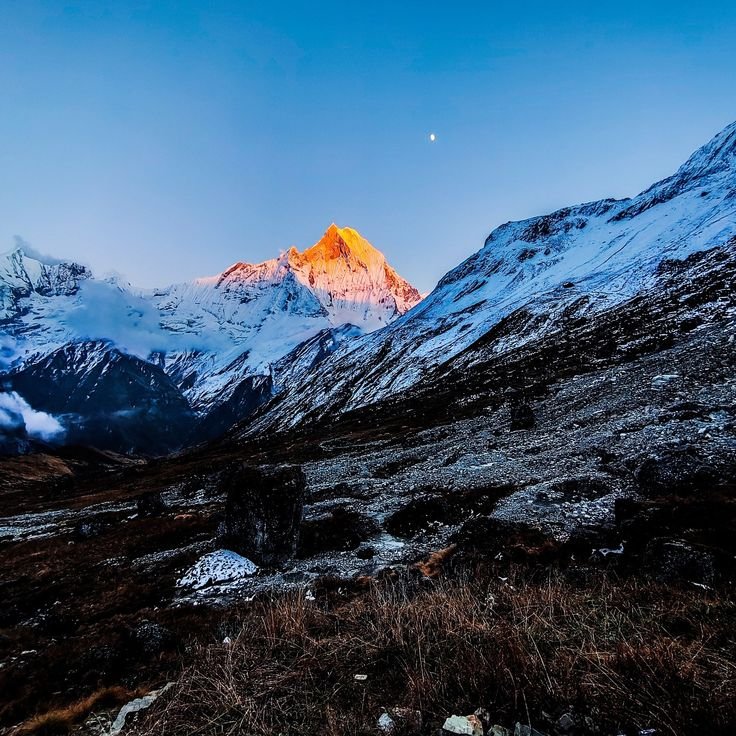
Introduction Nestled in the heart of Nepal, Pokhara is a destination that effortlessly combines natural beauty, cultural richness, and thrilling adventure. Surrounded by the majestic Annapurna mountain range and blessed with serene lakes, cascading waterfalls, mysterious caves, and vibrant local communities, Pokhara has earned its reputation as one of South Asia’s most captivating travel destinations. Whether you are a nature lover, an adventure seeker, a photographer, or simply someone looking for peace and relaxation, Pokhara offers an unforgettable experience. From witnessing breathtaking Himalayan sunrises to paragliding above sparkling lakes, every moment in Pokhara feels like a scene from a postcard. Where is Pokhara? Pokhara is located in central Nepal, approximately 200 kilometers west of Kathmandu. It serves as the gateway to the Annapurna region, one of the world’s most famous trekking destinations. The city sits at an elevation of around 822 meters above sea level and is the capital of Gandaki Province. Thanks to its strategic location and excellent tourism infrastructure, Pokhara attracts hundreds of thousands of domestic and international visitors every year. The Natural Beauty of Pokhara Phewa Lake: The Soul of the City Phewa Lake is undoubtedly the crown jewel of Pokhara. The tranquil waters reflect the surrounding hills and snow-capped mountains, creating a mesmerizing landscape that attracts visitors from around the globe. Visitors can enjoy: At the center of the lake lies the Tal Barahi Temple, a sacred Hindu temple situated on a small island. Reaching the temple by boat adds a unique spiritual and cultural experience to any visit. The Magnificent Annapurna Range One of Pokhara’s greatest attractions is its spectacular mountain views. On clear days, visitors can witness panoramic vistas of: The sight of these towering peaks rising above the landscape creates one of the most dramatic mountain panoramas in the world. Sarangkot: The Best Sunrise Viewpoint Sarangkot is a hilltop destination located just a short drive from Pokhara. It is famous for offering some of the best sunrise views in Nepal. As the first rays of sunlight touch the Himalayan peaks, the mountains glow in shades of gold, orange, and pink. The experience is both breathtaking and unforgettable. Sarangkot is also one of the most popular locations for paragliding adventures. Adventure Capital of Nepal Pokhara is widely regarded as Nepal’s adventure tourism capital. The city provides countless opportunities for adrenaline-filled experiences. Paragliding Pokhara is considered one of the best paragliding destinations in the world. Flying above Phewa Lake while enjoying panoramic views of the Himalayas is a once-in-a-lifetime experience. The combination of stable weather conditions, scenic landscapes, and professional operators makes Pokhara a favorite among paragliding enthusiasts. Trekking and Hiking Pokhara serves as the starting point for many famous trekking routes, including: These trails offer diverse experiences ranging from lush forests and traditional villages to high-altitude mountain landscapes. Ziplining Adventure lovers can enjoy one of the steepest and longest zipline rides in the world. The ride offers incredible views of forests, rivers, valleys, and snow-capped mountains. Bungee Jumping For those seeking an ultimate thrill, Pokhara provides exciting bungee jumping experiences in a safe and professionally managed environment. Mountain Biking The hills surrounding Pokhara feature excellent mountain biking routes that pass through villages, forests, and scenic viewpoints. Exploring Pokhara’s Cultural Heritage While Pokhara is famous for nature and adventure, it also boasts a rich cultural heritage. Peace Pagoda (World Peace Stupa) Situated on a hill overlooking Phewa Lake, the World Peace Stupa is a symbol of harmony and global peace. Visitors can enjoy panoramic views of the lake, city, and surrounding mountains. The peaceful atmosphere makes it a perfect place for meditation, reflection, and photography. Bindhyabasini Temple One of the oldest temples in Pokhara, Bindhyabasini Temple is dedicated to the Hindu goddess Bhagwati. It remains an important spiritual site for local residents and visitors alike. Gurung and Magar Culture The region surrounding Pokhara is home to diverse ethnic communities, particularly the Gurung and Magar people. Visitors can explore traditional villages, experience local hospitality, and learn about centuries-old customs and traditions. Fascinating Natural Attractions Davis Falls Davis Falls is one of Pokhara’s most famous natural attractions. The waterfall disappears into an underground tunnel, creating a unique geological phenomenon. The powerful flow of water during the monsoon season makes the site particularly impressive. Gupteshwor Mahadev Cave Located near Davis Falls, this sacred cave contains a revered Shiva temple and fascinating limestone formations. Visitors can explore underground passages and witness the waterfall from within the cave. Mahendra Cave Known for its natural rock formations and mysterious atmosphere, Mahendra Cave is another popular destination for visitors interested in geology and exploration. Begnas Lake For travelers seeking a quieter alternative to Phewa Lake, Begnas Lake offers tranquility, natural beauty, and fewer crowds. It is an ideal place to relax and enjoy the peaceful surroundings. Food and Culinary Experiences Pokhara’s food scene reflects Nepal’s cultural diversity and growing international tourism. Popular local dishes include: Visitors can also find international cuisines ranging from Italian and Indian to Korean, Japanese, and continental dishes. The Lakeside area is particularly known for its vibrant cafes, restaurants, bakeries, and rooftop dining experiences. Best Time to Visit Pokhara Autumn (September to November) Autumn is considered the best season to visit Pokhara. The skies are clear, mountain views are spectacular, and the weather is pleasant. Spring (March to May) Spring brings colorful rhododendron blooms and comfortable temperatures, making it an excellent time for trekking and sightseeing. Winter (December to February) Winter offers crisp air and excellent mountain visibility, although mornings and evenings can be cool. Monsoon (June to August) The rainy season transforms the region into a lush green paradise. While trekking can be challenging, nature lovers often appreciate the vibrant landscapes. Why Pokhara Should Be on Every Traveler’s Bucket List Few destinations in the world offer such a remarkable combination of mountains, lakes, culture, spirituality, and adventure. Pokhara allows visitors to experience the grandeur of the Himalayas without sacrificing comfort and accessibility. Whether you want to soar through the sky on a paraglider, trek among towering