
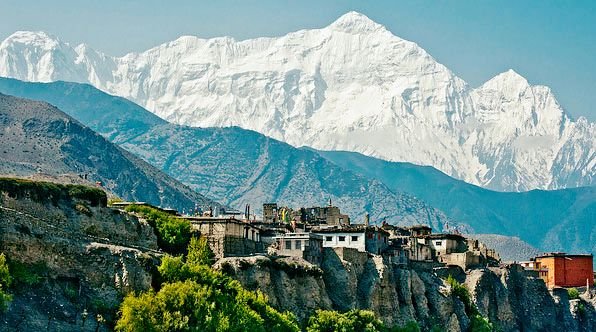
An upper mustang tour takes you to one of the world’s most extraordinary hidden landscapes — the ancient Forbidden Kingdom of Nepal. Streets unchanged since the fifteenth century. Tucked against the Tibetan plateau, this breathtaking high-altitude desert defies every expectation. This hidden world offers an adventure far removed from the crowded trails of Everest.
For centuries, these forbidding canyon walls protected an ancient way of life. Historical records confirm that this isolated territory earned its title as the Forbidden Kingdom by remaining strictly closed to outsiders until 1992. Geography and politics worked together to shield its fragile traditions from the modern world. Today, that deep isolation means travelers can witness beautifully preserved living history.
At the heart of this environment sits the Kingdom of Lo, a society deeply rooted in Tibetan Buddhism. The crown jewel is Lo Manthang, an ancient capital enclosed by an imposing earthen wall. Walking through these narrow alleys feels like wandering through a vibrant museum. Monks chant in ancient monasteries while locals spin brass prayer wheels just as their ancestors did generations ago.
Modern dirt roads now let visitors experience these high-altitude wonders comfortably by four-wheel drive, offering an alternative to extreme mountain trekking. Your adventure begins where the paved roads end and the ancient trade routes emerge from the dust.
Behind the Himalayan Wall: How the Rain Shadow Creates a Desert in the Clouds
When you picture Nepal, lush green valleys and snow-capped peaks come to mind. Yet tucked at the top of the country lies a landscape that resembles the American Southwest more than Mount Everest. Picture the red rock canyons of Utah elevated thousands of feet into the sky. This is the high-altitude desert Nepal keeps hidden, a place where jagged sandstone cliffs glow under a relentless sun.
The secret behind this arid wonderland is a massive geographical barrier. As storm clouds roll in from the Indian Ocean heavy with summer rain, they crash into towering Himalayan peaks. These mountains act like a colossal stone umbrella, forcing clouds to drop all their moisture on the southern slopes. By the time the wind crosses into Mustang, the air is bone-dry, a textbook rain shadow effect.
This unique weather block places the region entirely behind the main mountain range as a dry Trans-Himalaya zone. While the rest of Nepal spends summer drenched in monsoon downpours, Upper Mustang stays brilliantly sunny, crisp, and clear. This makes it one of the rare Himalayan destinations that is genuinely perfect for summer travel, with dry boots and unobstructed views guaranteed.
The dusty trail deeper into this protected dry zone reveals layers of human history. The route winds past hidden caves and ancient Kali Gandaki river valley cultural sites, where low moisture has perfectly preserved centuries-old Buddhist murals. The canyon eventually widens, leading straight toward the walled city of Lo Manthang.
Entering the Walled City: A Guide to the Ancient Kingdom of Lo
Stepping through the grand northern gate of Lo Manthang feels like crossing a threshold into another century. This striking capital is a living fortress defined by towering whitewashed mud-brick walls rising starkly against the desert sky. Once a bustling hub on the ancient salt trade route, its maze-like alleys now offer premier Lo Manthang walled city attractions.
Beyond the architecture, the true heart of this settlement is its people. The indigenous Loba community has served as guardian of the Ancient Kingdom of Lo historical sites for generations. Their communal social structure survived intact precisely because the harsh surrounding geography kept outsiders away for so long.
Spiritual life anchors every aspect of daily existence within these gates. The city’s pulse beats strongest inside its ancient Gompas, local monasteries that serve as vaults for sacred relics. Inside these dimly lit sanctuaries you find stunning Thangka art: brilliantly colored scroll paintings depicting Buddhist deities, perfectly preserved by the dry Trans-Himalayan air.
Explore these four cornerstone landmarks to grasp the scale of Lo Manthang’s spiritual heritage:
• Jampa Lhakhang: The oldest monastery, famous for its massive three-story Buddha statue and floor-to-ceiling mandala paintings.
• Thubchen Gompa: A grand assembly hall featuring soaring wooden pillars and vibrant centuries-old murals.
• Choede Gompa: The active center of monastic life, offering a respectful glimpse into the spiritual practices of young monks.
• The Royal Palace: A commanding five-story structure at the city’s center that historically housed the King of Mustang.
Upper Mustang Tour Options: Jeep Safari vs. Trekking
For decades, reaching the walled city meant committing to weeks of grueling high-altitude hiking. That narrative changed completely with the carving of a dirt road through the Kali Gandaki gorge. This new infrastructure has transformed the ultimate Mustang adventure from an elite mountaineer’s dream into an accessible journey for anyone with a spirit of wanderlust.
Walking the ancient salt trade routes on foot remains the purest way to experience the region. Trekking Upper Mustang immerses you directly in the elements: sweeping desert winds, the chime of mule bells, and the slow, rewarding acclimatization to thin air. Be prepared, however, for long dusty days navigating steep ascents while your body works harder at 12,000 feet.
If a strenuous hike sounds more exhausting than exciting, the modern road offers a spectacular alternative. An upper mustang jeep tour lets you skip the physical strain without sacrificing the breathtaking views. A rugged 4×4 acts as a fast-forward button, cutting travel time in half while letting you hop out to explore centuries-old caves and monasteries along the way.
Use this quick comparison when planning your Upper Mustang trek or drive:
• Time: A traditional hike takes 12 to 14 days; a jeep safari compresses the round trip to 7 or 8 days.
• Physical Intensity: Trekking demands high stamina; driving requires only a tolerance for bumpy unpaved roads.
• Cost: Jeeps carry higher daily rental and fuel fees, but the shorter trip often balances out the extended guide and lodging costs of hiking.
The $500 Key: Navigating the Restricted Area Permit System
To protect this delicate culture from mass tourism, the Nepalese government uses a financial gatekeeper instead of a lottery system. This deliberate approach ensures that every visitor is genuinely committed to respecting the Forbidden Kingdom.
Two specific documents are required before you cross the boundary. The Restricted Area Permit for Lo, the historical name for Upper Mustang, costs $500 for the first ten days, plus $50 for each additional day. You also need a $30 entry pass for the Annapurna Conservation Area Project (ACAP). Think of this not as a steep toll, but as a direct investment in local schools, trail maintenance, and the heritage you came to witness.
Independent travel is illegal here. You must travel with a licensed local guide. Because the paperwork is complex and tightly monitored at border checkpoints, travelers always book a comprehensive upper mustang tour package through a registered Nepali trekking agency. These agencies handle all the bureaucratic steps, so you can focus entirely on the adventure.
Once your guide presents these documents at the Kagbeni checkpoint, the modern world falls away. As your eyes adjust to the stark red and ochre canyon walls, you begin to notice hundreds of mysterious holes carved directly into the sheer rock face.
Unlocking the Mystery of the Sky Caves: Nepal’s 10,000 Ancient Windows
Looking up at the rust-colored canyons of Upper Mustang, you might think you are staring at a massive ancient apartment building. An estimated 10,000 man-made holes are scattered across sheer cliffs, appearing like dark windows watching over the valley. How anyone reached such dizzying heights to carve directly into the rock remains one of archaeology’s great mysteries.
Around 3,000 years ago, early inhabitants created these troglodyte habitations as a clever defense mechanism. Much like a medieval fortress, the elevated chambers offered safe haven from warring tribes and harsh weather. Precarious wooden ladders, pulled up at the first sign of danger, provided the only access.
Centuries later, these rock chambers became elaborate resting places. Archaeologists have found remarkably preserved burial sites inside, complete with copper jewelry, glass beads, and bamboo baskets. Many skeletal remains show distinct cut marks, linking this remote region to ancient Himalayan sky burials where the deceased were respectfully returned to nature.
When Tibetan Buddhism swept through the valley, monks transformed the highest caves into secret meditation chambers. They used these isolated vaults to safeguard gold-illuminated manuscripts and delicate religious paintings from invaders.
When to Go: Why Summer Is the Secret Season for an Upper Mustang Tour
Most travelers avoid Nepal in summer because of heavy monsoon rains. Upper Mustang plays by its own rules. Because it sits entirely behind the main mountain range, the region stays shielded from incoming storms. While the rest of the country is drenched, you can explore these ancient trails under bright cloudless skies, making summer an unexpectedly ideal time to visit.
Timing your trip for late spring or early summer also unlocks a rare cultural spectacle. Held annually in Lo Manthang, usually in May, the Tiji Festival centers on a vibrant three-day ritual of chasing away winter demons. Monks wear elaborate colorful masks and perform traditional dances, transforming the walled city into a living museum.
Plan around this unique daily weather pattern to make the most of your trip:
• June: Warm days reach around 70°F (21°C), but calm mornings give way to high-velocity afternoon winds rushing up the valley.
• July: Peak summer brings similar warmth with brief evening showers that barely dampen the ground but beautifully settle the trail dust.
• August: High visibility holds steady, but reliable post-noon canyon gales mean you should always pack a windbreaker and plan early morning hikes.
Preparing Your Body and Bags: Altitude, Aridity, and Essentials
Stepping into Upper Mustang feels like walking onto another planet. At 3,800 meters (12,467 feet), the air is incredibly thin and bone-dry. This combination accelerates fluid loss with every breath. You can become dehydrated before ever feeling thirsty. Recognize early symptoms such as sudden headaches, deep fatigue, or unusually dark urine as your first line of defense.
Managing your body’s oxygen and water levels is essential. Ascend slowly, drink at least four liters of water daily, and avoid alcohol entirely. The arid atmosphere strips moisture instantly, so hydrating is not just about quenching thirst. It replaces the water you lose directly to the wind.
Pack these ten essentials to handle the trans-Himalayan climate:
• Windproof outer shell jacket
• High-SPF sunscreen
• Heavy-duty hydrating lip balm
• Polarized UV-blocking sunglasses
• Hydration bladder for continuous sipping
• Lightweight fleece mid-layer
• Dust-blocking buff or scarf
• Saline nasal spray to soothe dry passages
• Intensive moisturizing lotion
• Wide-brimmed sun hat
Life in a Tea House: What to Expect from Remote Himalayan Hospitality
Stepping into a family-run tea house provides a welcome contrast to the harsh trans-Himalayan wind. Picture a rustic haven rather than a luxury hotel. Rooms are simple, with twin beds and thick blankets to block the mountain chill. Expect spotty Wi-Fi and traditional bucket showers instead of endless hot water. Embracing these conditions gives you a genuine glimpse into high-altitude daily life.
The heart of local hospitality beats in the communal dining room, where travelers gather around a warming stove. You find hearty staples designed for mountain survival: Dal Bhat, a filling unlimited platter of lentil soup and rice; Tsampa, a roasted barley flour mixed into thick oatmeal-like porridge; and yak butter tea, a salty churned brew that tastes more like a rich broth and delivers the fats needed to combat the desert cold.
Simple cultural mindfulness goes a long way. Remove muddy boots before entering and treat the lodge as a family home. Sitting by the fire with a warm cup in hand, you realize the profound isolation is the actual reward.
Your Roadmap to the Forbidden Kingdom: Final Planning Steps
Turning this Himalayan expedition into a scheduled reality requires organizing a few key logistics. Follow these steps to build a clear timeline:
• Find a travel partner who shares your curiosity for ancient cultures and remote landscapes.
• Select a registered Nepalese trekking agency to manage all mandatory bureaucratic requirements.
• Finalize your budget for a comprehensive upper mustang tour package, accounting for travel and permit fees.
• Coordinate with your agency to secure the Restricted Area Permit before arrival.
• Arrange transport to Jomsom to officially begin your expedition.
Most travelers take a brief, scenic morning flight from Pokhara to Jomsom, where a rugged 4×4 jeep waits to drive you directly into the mountain rain shadow. An all-inclusive package covers this transport, the permit fees, and your cozy teahouse stays, so local experts handle the paperwork while you focus entirely on the cultural experience.
The roads are open, and the ancient trails of the Forbidden Kingdom await. Book your upper mustang tour today and step into a living museum unlike anywhere else on earth.